Yes, you can mulch leaves with your mower — and in most cases, you absolutely should. Knowing how to mulch leaves with mower passes is one of the simplest improvements you can make to your yard maintenance routine. Instead of filling bag after bag and hauling them to the curb, you're shredding those leaves into fine fragments that settle into your lawn and decompose into free fertilizer. It's faster, cheaper, and far better for your soil.
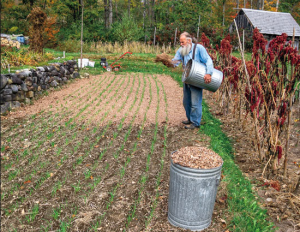
The catch is that technique matters more than most people realize. Mow over a thick, wet mat of leaves and you'll end up with clumps sitting on top of your grass that block sunlight and encourage disease. Get the conditions and the approach right, though, and you have a nearly effortless system that pays dividends every spring. This guide covers exactly when to mulch, when to skip it and bag instead, and how to do it correctly — whether you're running a basic push mower or a fully kitted riding mower.
By the time you finish reading, you'll have a clear framework for handling leaves through the entire fall season without the hauling, the bags, or the wasted organic material.
Contents
The Right Time to Mulch — And When to Skip It
When Mulching Works Best
The ideal conditions for mulching are a dry or barely damp leaf layer that's no more than one to two inches deep with visible grass showing through underneath. At that thickness, your mower blade shreds the leaves into small fragments that fall between grass blades, make contact with the soil, and break down within a few weeks. If you can see the grass before you start, you're in good shape to mulch.
Timing your passes with your regular mowing schedule is the cleanest approach. As leaves fall through early and mid-autumn, run the mower once a week rather than waiting for a heavy accumulation to build. You'll never face an overwhelming pile, and the material gets incorporated steadily throughout the season rather than all at once.
When to Bag Instead
Bagging is the smarter call in a few specific situations. If leaves have been sitting through rain and formed a dense, matted layer, mulching will spread wet clumps across your lawn instead of shredding them into fine particles. The same logic applies late in the season when your grass has gone dormant — a heavy mulch layer applied at that point won't get processed until spring and can promote fungal disease over winter.
If you're dealing with leaves from trees that showed signs of disease — spots, blights, or visible fungal growth — bag those and dispose of them rather than returning the spores to your soil. And when leaf volume is simply too high to process in one pass, a hybrid approach works perfectly: bag the excess, compost it separately, and mulch the manageable remainder in place.
How to Mulch Leaves with Your Mower the Right Way
Mower Settings and Equipment
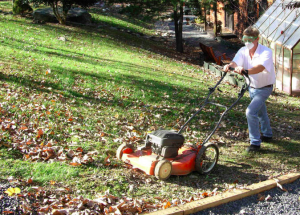
You don't need a dedicated mulching mower to get solid results. Most standard rotary mowers can handle the job with a mulch plug installed — a simple attachment that closes the discharge chute and keeps leaf fragments circulating under the deck longer for finer shredding. Mulch plugs for most common mower models cost under twenty dollars and install in minutes.
Set your blade height to three to three-and-a-half inches. That height protects the grass root zone while giving the blade enough airflow to lift and shred leaves efficiently. Going lower risks scalping the lawn; going higher leaves larger leaf fragments that take much longer to decompose. Sharp blades are non-negotiable — a dull blade bruises and tears rather than cutting cleanly, which slows decomposition and creates a ragged, matted look.
| Leaf Condition | Recommended Action | Why It Matters |
|---|---|---|
| Light, dry layer (1–2 inches, grass visible) | Mulch in place — two passes | Breaks down in 2–3 weeks, feeds soil microbes |
| Heavy, wet mat (3+ inches) | Rake first, then mulch remainder | Prevents deck clogging and lawn smothering |
| Diseased leaves (visible fungal growth) | Bag and dispose offsite | Stops spores from returning to soil |
| Grass already dormant for winter | Bag or compost offsite | Thick mats on dormant grass promote disease |
| Mixed leaves and grass clippings | Mulch together — ideal combination | Balanced carbon-to-nitrogen ratio speeds breakdown |
Step-by-Step Technique
Start at the perimeter and mow in overlapping passes, working inward in a spiral pattern. This pushes leaf fragments toward the center where they get hit again on subsequent passes. Run two passes over the same area in different directions — that reliably reduces leaves to fragments small enough to settle into the turf and disappear within a couple of weeks.
After you finish, do a quick visual check. If you can still see distinct leaf shapes lying on top of the grass rather than fine confetti scattered between the blades, make one more pass. According to the EPA's composting guidance, shredded leaf material decomposes up to four times faster than whole leaves — which is exactly the outcome you're after.
Turning Leaf Mulch into a Long-Term Lawn Strategy
Soil Benefits Over Time
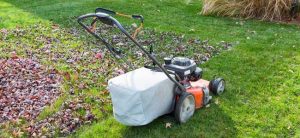
The compounding benefits of consistent leaf mulching show up most clearly after two or three seasons. Shredded leaves feed soil microbes, improve drainage in clay-heavy soils, and increase moisture retention in sandy ones. Oak leaves are particularly valuable — high in carbon, they break down into a slow-release amendment that darkens the soil and improves its structure noticeably over time.
Research from Michigan State University found that lawns treated with mulched leaves over multiple consecutive years showed measurably lower weed pressure than bagged-and-disposed control plots. Fine leaf fragments block light at the soil surface, suppressing weed seed germination passively — no herbicide required. That's a benefit that builds on itself every season you stay consistent.
Building a Seasonal Routine
The most effective approach is to treat leaf management as a recurring weekly task from early fall until the last leaves drop, rather than one overwhelming end-of-season project. Set a reminder to run the mower every seven to ten days during peak leaf fall. You'll never face a catastrophic accumulation, and the material gets incorporated steadily through the whole season.
If you maintain garden beds alongside your lawn, the Waterloo Gardeners Club's seasonal guides are a useful resource for integrating mulching into a broader garden management calendar. You can rake shredded leaf material from the lawn directly onto garden beds as a top-dressing, where it protects root zones through winter and continues feeding the soil as it breaks down — a straightforward way to extend the benefit beyond the turf.
Beginner Setup vs. Advanced Mulching Techniques
Getting Started Without Special Equipment
The entry point is genuinely simple. Install a mulch plug on your existing mower, set the blade height to three inches, and run two passes over a manageable leaf layer. That's the complete beginner system. No dedicated mulching mower, no leaf blower, no special products. The biggest mistake beginners make is waiting too long and facing a thick, wet accumulation that overwhelms the mower and produces poor results. Start early in the season and mow often.
It also helps to blow or rake leaves off hard surfaces — driveways, patios, walkways — onto the lawn before each mowing session so you can process as much material as possible in each run. Work section by section to stay organized and avoid missing spots near fences or garden edges.
Leveling Up Your Approach
Once the basics are comfortable, a few targeted upgrades make a real difference. A riding mower with a mulch-on-demand feature lets you switch between mulching and side-discharge mid-run without stopping. High-lift mulching blades create stronger suction under the deck, pulling leaves up into the blade path more reliably than standard blades — especially useful for lighter leaves that tend to scatter instead of being drawn in.
For large properties, a standalone leaf shredder or leaf vacuum with a mulching function can process enormous volumes at a 10:1 reduction ratio, turning bins of whole leaves into a fraction of that volume. Feed that output into your compost pile or spread it directly on beds. If you're thinking about your broader backyard layout — where lawn care meets outdoor living — our guide on setting up a gazebo on grass, concrete, or pavers walks through how to plan structures that work with your landscape rather than against it.
Pro Tips That Make the Job Easier
Shortcuts Worth Knowing
Mow when leaves are dry whenever possible. Dry leaves shred into finer, more uniform fragments and don't clog the underside of the deck. If you've had rain, give it a full day before mulching — the output quality difference is significant. Morning mowing after a dry night consistently gives the best results with the least cleanup afterward.
For corners, edges, and tight spots the mower can't reach cleanly, use a string trimmer to chop leaves against a hard surface before you mow the main area. It's a small extra step that prevents piles from accumulating in spots where clumps could sit and smother grass through the week.
Common Mistakes to Avoid
The most common error is simply letting leaves pile up past the point where mulching is practical. Three or more inches of compacted, damp leaves will defeat most consumer mowers, leaving you with a bigger problem than if you'd started two weeks earlier. Stay ahead of it — weekly passes during peak fall are far easier than one massive session at the end.
Another mistake is treating all leaf types as interchangeable. Large, waxy leaves like magnolia decompose slowly and often need three passes to reach a workable fragment size. Thin leaves from birch or cherry trees shred easily and break down fast. Mixed leaf falls — which is what most yards produce — generally balance out to a reasonable decomposition rate. Just know that if you have magnolias or other large-leafed trees, you need to make extra passes and manage your expectations for decomposition speed accordingly.
Frequently Asked Questions
Can any lawnmower mulch leaves effectively?
Most standard rotary mowers handle leaf mulching well once you install a mulch plug to block the discharge chute. Dedicated mulching mowers with specially contoured decks produce finer results, but they're not required to get the job done. Blade sharpness matters more than mower type — a sharp blade on a basic push mower outperforms a dull blade on an expensive mulching model.
How thick a leaf layer can a mower handle in one pass?
A well-set mulching mower handles one to two inches of dry leaves comfortably in a single pass. Deeper than that — especially if the leaves are damp — and you risk clogging the deck or producing large, matted clumps instead of fine fragments. Rake any excess first and let the mower process what remains.
Is it harmful to leave mulched leaves on the lawn over winter?
Not if you've shredded them finely enough. A light layer of fine leaf fragments insulates the soil and feeds soil microbes through the cold months. The problem is whole or coarsely shredded leaves left in thick layers, which create the anaerobic, moisture-trapping conditions that encourage disease. Fine mulch is genuinely beneficial.
How many passes does it take to mulch leaves properly?
Two passes in different directions is the reliable standard for reducing leaves to fine fragments that settle into the turf. A single pass often leaves recognizable leaf pieces on the surface. After two passes, do a visual check — if you can still see intact leaf shapes rather than small confetti-like pieces, make a third pass.
Do mulched leaves attract pests or cause fungal lawn disease?
Finely shredded leaves do not attract pests or cause disease in a healthy lawn. Disease problems come from thick, wet, unshredded leaves that create low-oxygen conditions at the soil surface. Keep your mulch layer thin and well-processed, mow in good conditions, and fungal pressure stays minimal throughout the season.
Key Takeaways
- Mulching leaves with your mower beats bagging in almost every situation — as long as the layer is light, dry, and less than two inches deep before you start.
- Two overlapping passes at a three-to-three-and-a-half inch blade height is the standard technique for producing fine fragments that decompose quickly without smothering grass.
- Weekly mulching during peak leaf fall prevents overwhelming accumulations and compounds real soil health benefits — lower weeds, better structure, improved moisture retention — over multiple seasons.
- Bag diseased leaves, very thick mats, and late-season accumulations on dormant grass; a hybrid mulch-and-bag approach is always smarter than an inflexible all-or-nothing rule.


About Simmy Parker
Simmy Parker holds a Bachelor of Science in Civil Engineering from Sacramento State University and has applied that technical background to outdoor structure design, landscape planning, and backyard improvement projects for over a decade. Her love for the outdoors extends beyond design — she regularly leads nature hikes and has developed working knowledge of native plants, soil conditions, and sustainable landscaping practices across Northern California. At TheBackyardGnome, she covers backyard design guides, landscaping ideas, and eco-friendly outdoor living resources.
You can Get FREE Gifts. Receive Free Backyard Items here. Disable Ad Blocker to get them all now!
Once done, hit anything below