Last winter, a friend of mine set up a fire pit in his backyard, strung some Edison lights between the posts, and invited the neighborhood over — in the middle of January. Half the people he invited made excuses. The other half showed up and didn't leave until well after midnight. That night made one thing clear: the best outdoor winter party tips aren't about defying the cold — they're about working with it. You can host an unforgettable gathering in your backyard when temperatures drop, and this guide covers exactly how to do it.
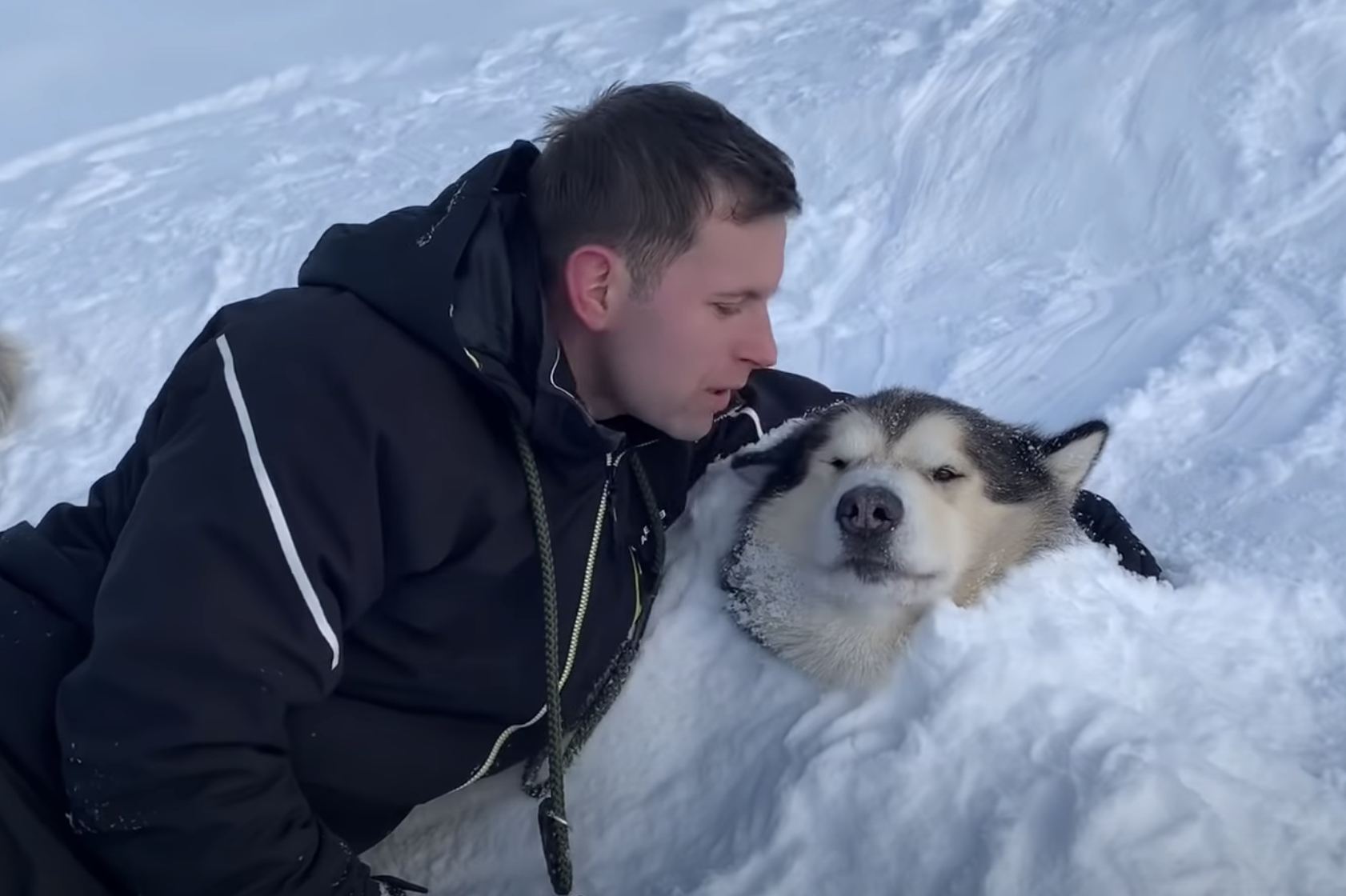
Cold weather entertaining has a reputation problem. People assume it means freezing guests, lukewarm appetizers, and a frantic retreat indoors before anyone's finished their first drink. That only happens when you skip the planning. A well-prepared backyard handles temperatures well below freezing and still delivers a genuinely comfortable, memorable experience. The secret is layering your heating sources, designing your space intentionally, and knowing in advance which weather conditions are a green light — and which ones call for a pivot.
Whether you're hosting six people around a fire pit or forty guests under a gazebo, the fundamentals stay the same. Our winter entertaining guide brings together everything from heating strategy to food service — so you stop dreading the cold and start using it to your advantage.
Contents
Why Winter Backyard Parties Work
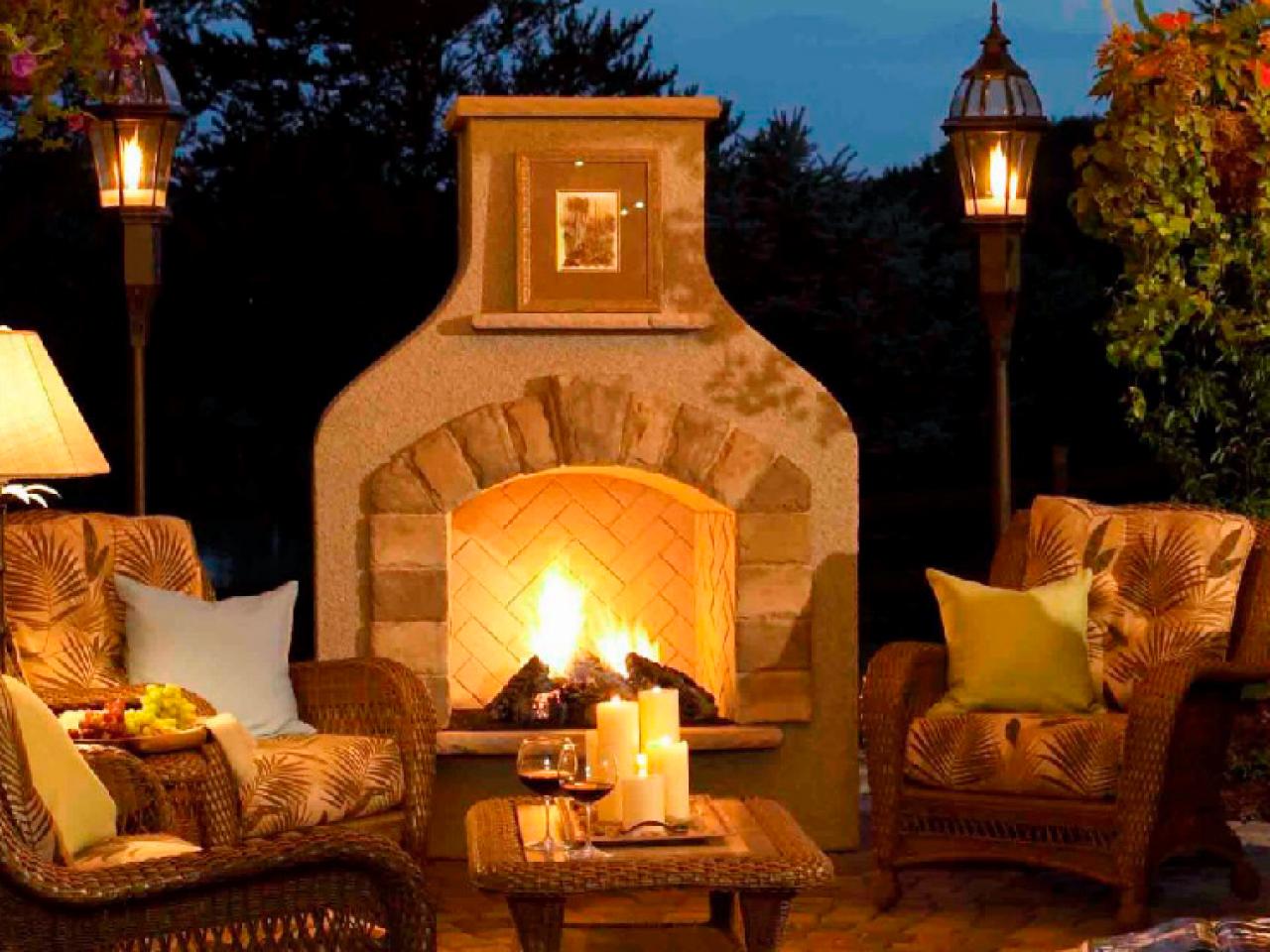
Most people put their outdoor spaces away in October and don't look at them again until spring. That means your backyard in winter is essentially prime real estate that nobody is using. A winter party stands out precisely because it's unexpected. Guests remember it. It doesn't blur into the lineup of summer cookouts and fall tailgates.
Beyond novelty, there are real practical advantages to hosting outdoors in the cold:
- No insects. Mosquitoes, gnats, and flies are gone. You can leave food uncovered and sit without bug spray.
- Natural refrigeration. Cold air keeps drinks cold and perishables safe without a cooler full of ice.
- Atmosphere you can't replicate indoors. A fire pit or chiminea in winter creates warmth and intimacy that draws people together — literally and figuratively.
- Less competition for dates. Fewer events on the social calendar means a higher RSVP rate than you'd get in July.
- Your patio becomes the focal point. A well-designed outdoor space with strong surface materials — like the options covered in these 9 inspiring slate patio design ideas — creates a party-ready foundation no matter the season.
According to the CDC's guidance on cold stress, healthy adults can safely tolerate cold temperatures when they're dressed appropriately and have access to reliable warmth. That's not a low bar to clear — it's exactly what a prepared outdoor host provides.
When Your Outdoor Party Will Thrive — and When to Bring It Inside
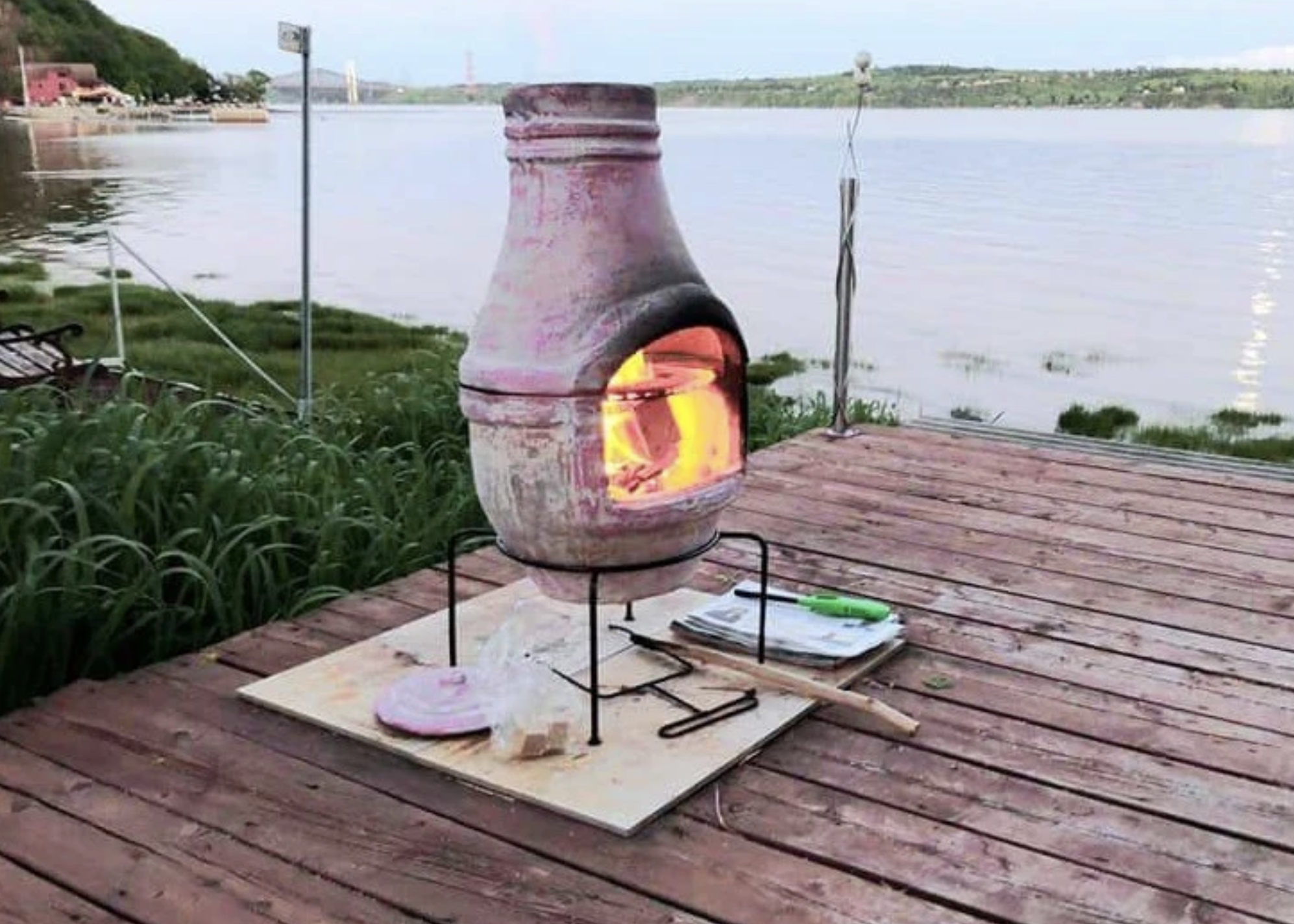
The single biggest mistake winter hosts make is ignoring the forecast and hoping guests will tough it out. Read the conditions, set your thresholds in advance, and make a clear call. Don't leave it ambiguous on the day of the party.
Green Light Conditions
Your outdoor winter gathering will succeed when all of these conditions are met:
- Temperatures between 25°F and 45°F (-4°C to 7°C) — cold enough to feel festive, warm enough to be manageable with proper heat sources
- Wind speeds under 10 mph — wind chill is the real threat, not air temperature alone
- No active precipitation during your event window (light flurries are workable; freezing rain is not)
- At least one dedicated heat source per 8–10 guests
- A sheltered zone with at least one solid windbreak on the prevailing wind side
- All pathways and patio surfaces are clear of ice
When to Move the Party Indoors
Be direct with yourself about these hard stops:
- Temperatures below 15°F (-9°C) — even with adequate heating, this crosses into discomfort territory for most guests regardless of how they're dressed
- Active freezing rain or ice accumulation — slippery surfaces create liability and are a genuine safety hazard
- Wind gusts above 20 mph sustained — they'll extinguish open fires, scatter tablecloths, and make conversation impossible
- A guest list that includes elderly guests, very young children, or anyone with a medical condition affected by cold exposure
- You can't guarantee enough heat sources for your headcount before people arrive
A backup indoor plan isn't admitting defeat — it's smart hosting. Have a fallback space ready before the first guest walks in the door: a cleared-out garage, a sunroom, or even a living room with the furniture pushed back. You can always move the party inside cleanly if you've already prepared for it.
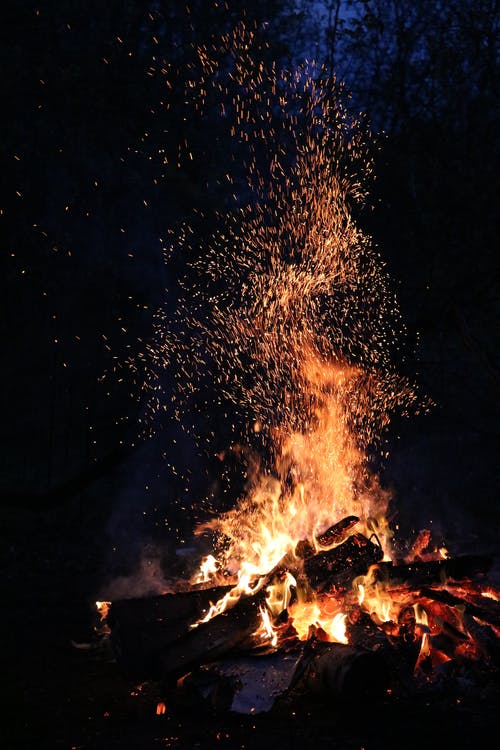
Heating Options Compared: Finding Your Best Bet
Heat is the backbone of every successful outdoor winter party. You have several solid options, and each has real trade-offs. Knowing the differences before you spend money means you invest in the right setup for your space and guest count rather than learning by trial and error.
Side-by-Side Comparison Table
| Heating Option | Heat Output | Coverage Area | Portability | Best For | Approx. Cost |
|---|---|---|---|---|---|
| Propane Tower Heater | 40,000–48,000 BTU | 12–20 ft radius | High | Open spaces, large groups | $150–$400 |
| Wood-Burning Fire Pit | 30,000–80,000 BTU | 6–10 ft radius | Low | Ambiance, small gatherings | $100–$600 |
| Chiminea (Clay or Cast Iron) | 20,000–40,000 BTU | 4–8 ft radius | Medium | Directed heat, seating clusters | $80–$500 |
| Electric Patio Heater | 1,500–5,000 watts | 6–12 ft radius | High | Covered spaces, no open flame | $100–$300 |
| Infrared Wall/Ceiling Heater | 3,000–10,000 watts | 10–15 ft radius | Low (fixed) | Permanent covered structures | $200–$800 |
The Case for a Chiminea
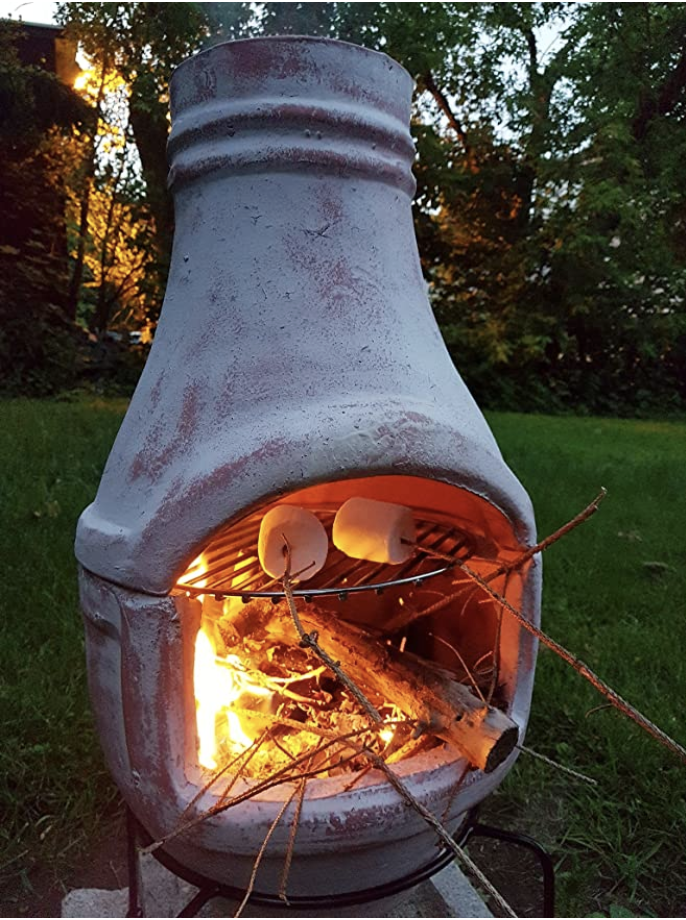
If you don't already own a chiminea, a winter party is the strongest argument to get one. Unlike an open fire pit that radiates heat in all directions, a chiminea channels warmth outward from its mouth in a focused beam — meaning your seated guests feel it directly and consistently. If you're new to them, start with this thorough breakdown of what chimineas are and how they work before choosing a style.
Chimineas are also more versatile than most people realize. You can roast vegetables, warm up stews, and cook skewered meats over the fire inside the chamber — this guide to cooking with a chiminea covers the specific techniques. One critical detail: clay chimineas require proper seasoning and cold-weather preparation before their first winter fire. Review the essentials of clay chiminea care well before the event, not the morning of.
For larger groups, pair a chiminea with at least one propane tower heater positioned at the opposite end of your seating area. This creates two distinct warmth zones instead of one crowded cluster around a single heat source, which dramatically improves guest comfort and circulation.
Outdoor Winter Party Tips: How to Set Up Your Backyard
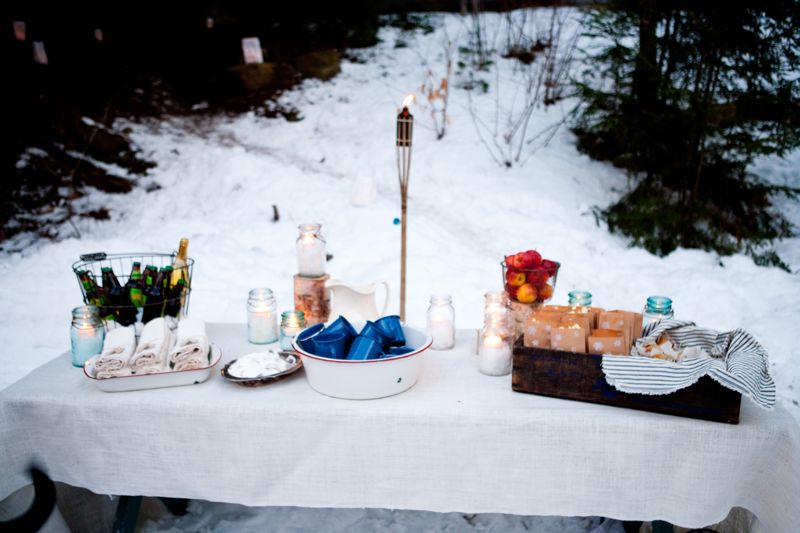
Setting up a winter party space is a fundamentally different process from a summer one. You're working against the environment rather than with it. Follow these steps in order and you'll sidestep the most common setup mistakes before the first guest arrives.
Step 1 — Create a Sheltered Zone
Shelter is your first priority. Even a modest reduction in wind exposure drops the perceived temperature significantly. Here's how to build it:
- Position your party area against a wall, fence, or dense hedge — a single solid barrier on the windward side is your most effective first move.
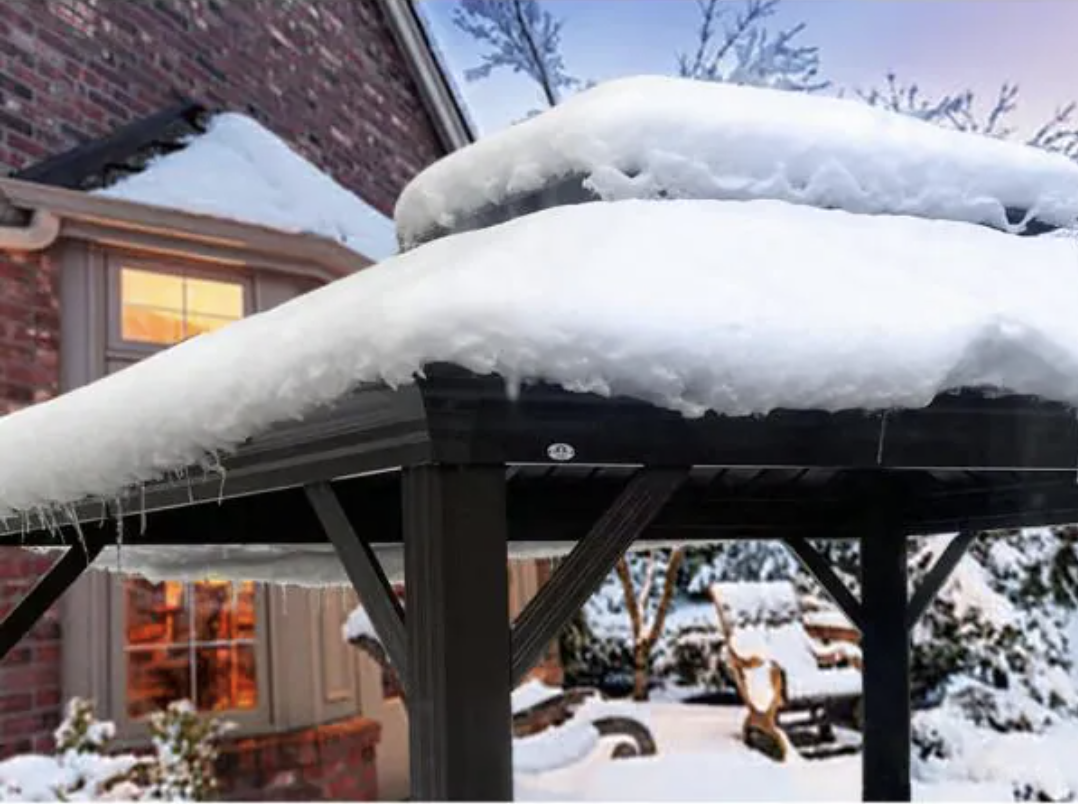
- Add a hardtop gazebo or pergola with side curtains to block wind on three sides while keeping the space open above for fire smoke to vent safely.
- Use freestanding outdoor privacy screens or lattice panels as temporary windbreaks if you don't have permanent structures in place.
- Lay rubber-backed outdoor rugs directly on your patio surface — they insulate guests' feet from cold stone or concrete and immediately make the space feel warmer.
- If you have a permanent gazebo, check out this guide to decorating your gazebo for winter entertaining — many of the decoration ideas also function as practical windbreaks and visual anchors for the party space.
Step 2 — Layer Your Lighting
Darkness arrives early in winter, and you need significantly more ambient light than a summer party demands. The right lighting also signals warmth before guests even feel a heater — it sets the emotional tone of the space the moment someone walks into your backyard.
- Overhead string lights or Edison bulb strands — run them between your shelter structure and nearby trees, fence posts, or shepherd's hooks
- Solar lanterns or battery-powered LED candles on every table and ledge surface
- Pathway lighting along every step and walkway — this is a safety requirement when guests are navigating in the dark over potentially icy surfaces, not just an aesthetic choice
- Flame-effect outdoor sconces if your patio has wall or fence space; they add layered warmth without open flame liability
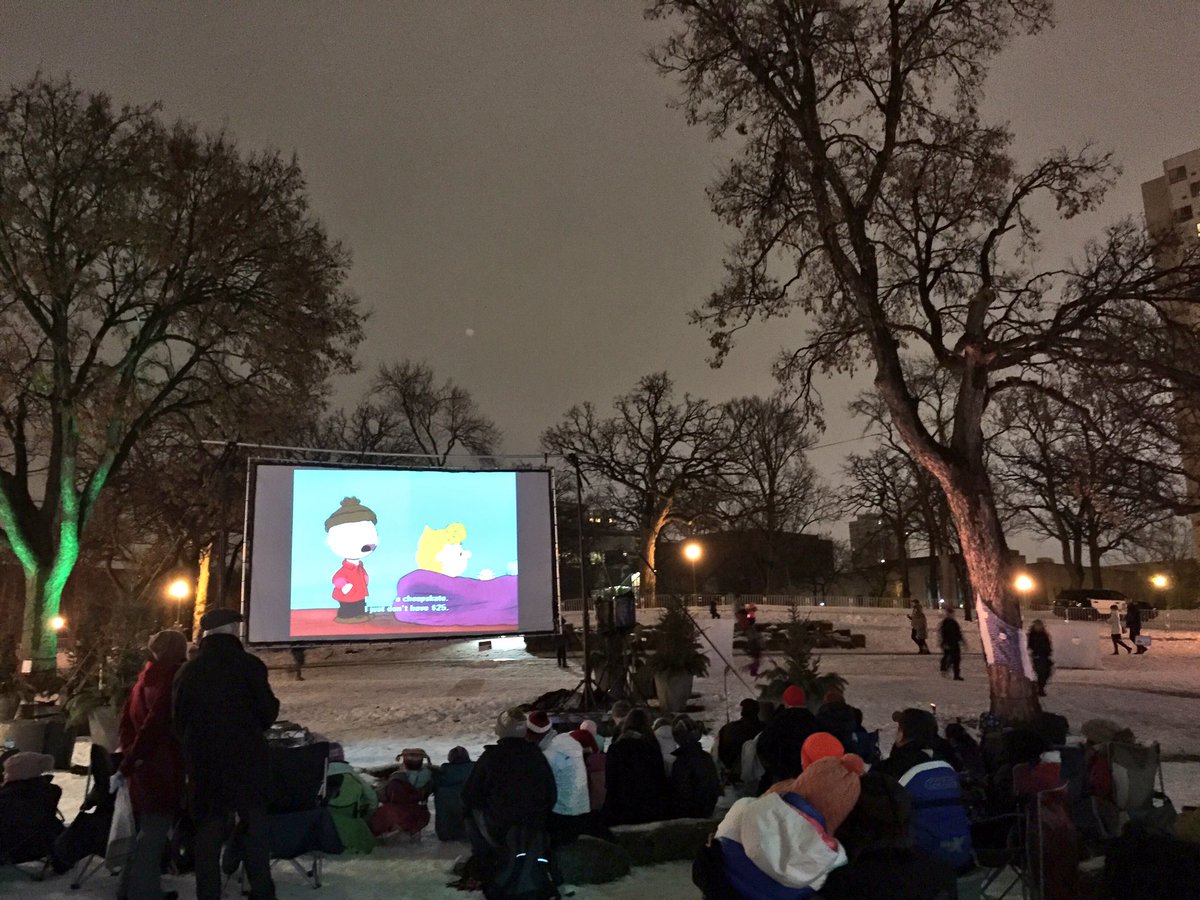
- Consider projecting a movie on an exterior wall or outdoor screen — an activity like this in the enclosed or semi-enclosed areas of your outdoor space adds another reason for guests to stay outside longer
Step 3 — Plan Food and Drinks for Cold Weather
Cold air kills hot food within minutes. Your summer buffet approach fails completely outdoors in winter. Adjust your food strategy around that single fact:
- Serve hot food exclusively. Cold cuts, cheese boards, and anything that needs to be at room temperature to taste right won't work. Stick to soups, chili, braised meats, roasted vegetables, and hot appetizers.
- Use slow cookers and chafing dishes to hold temperature — bring them out to the serving table only when guests are ready to eat, not hours in advance.
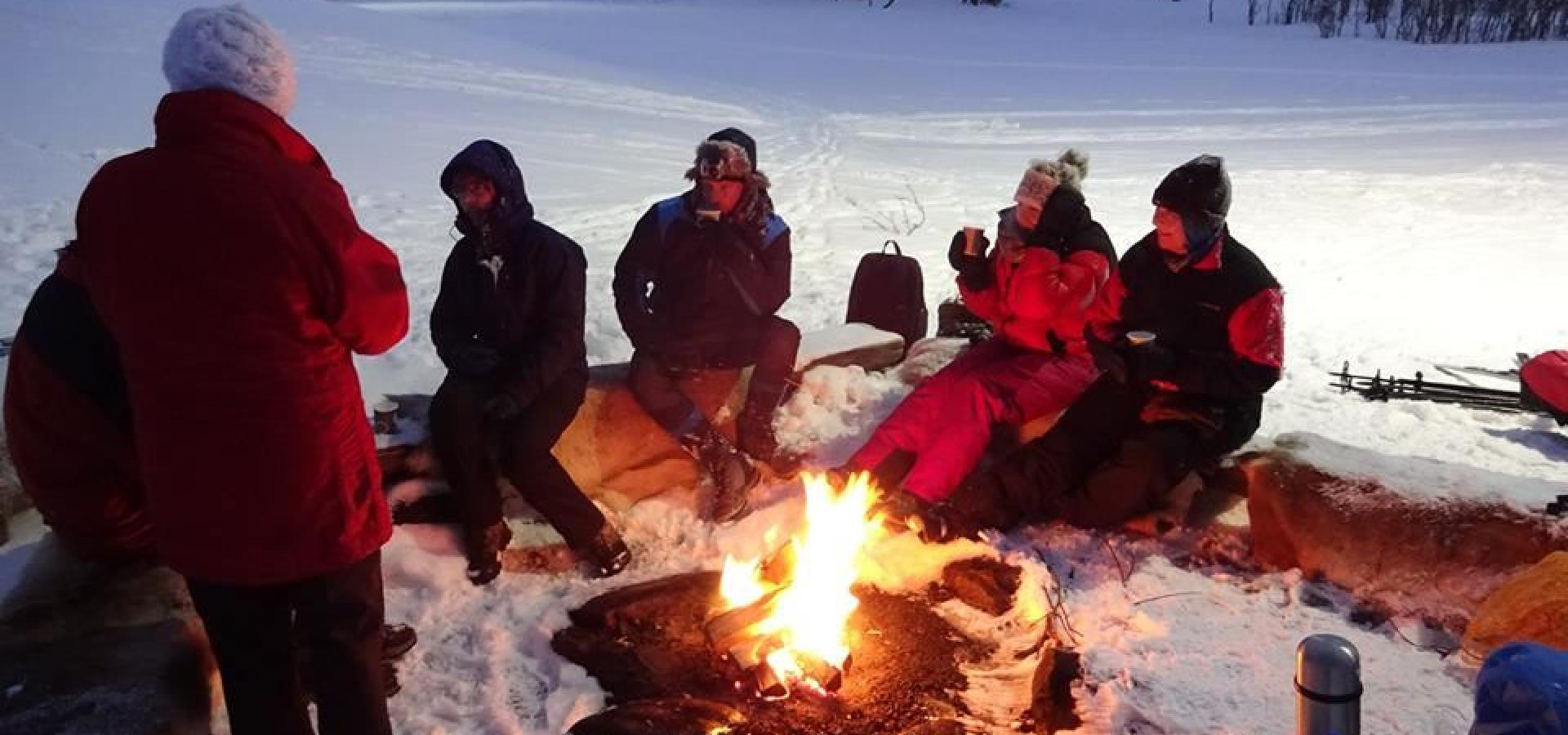
- Set up a dedicated hot beverage station as soon as guests arrive: mulled wine, hot apple cider, hot chocolate, and coffee. Give people something warm to hold immediately — it changes the entire feel of the party from "enduring the cold" to "embracing it."
- Below 30°F, skip the buffet layout entirely and serve in rounds from inside the house. The added effort is worth it to keep every dish at proper serving temperature.
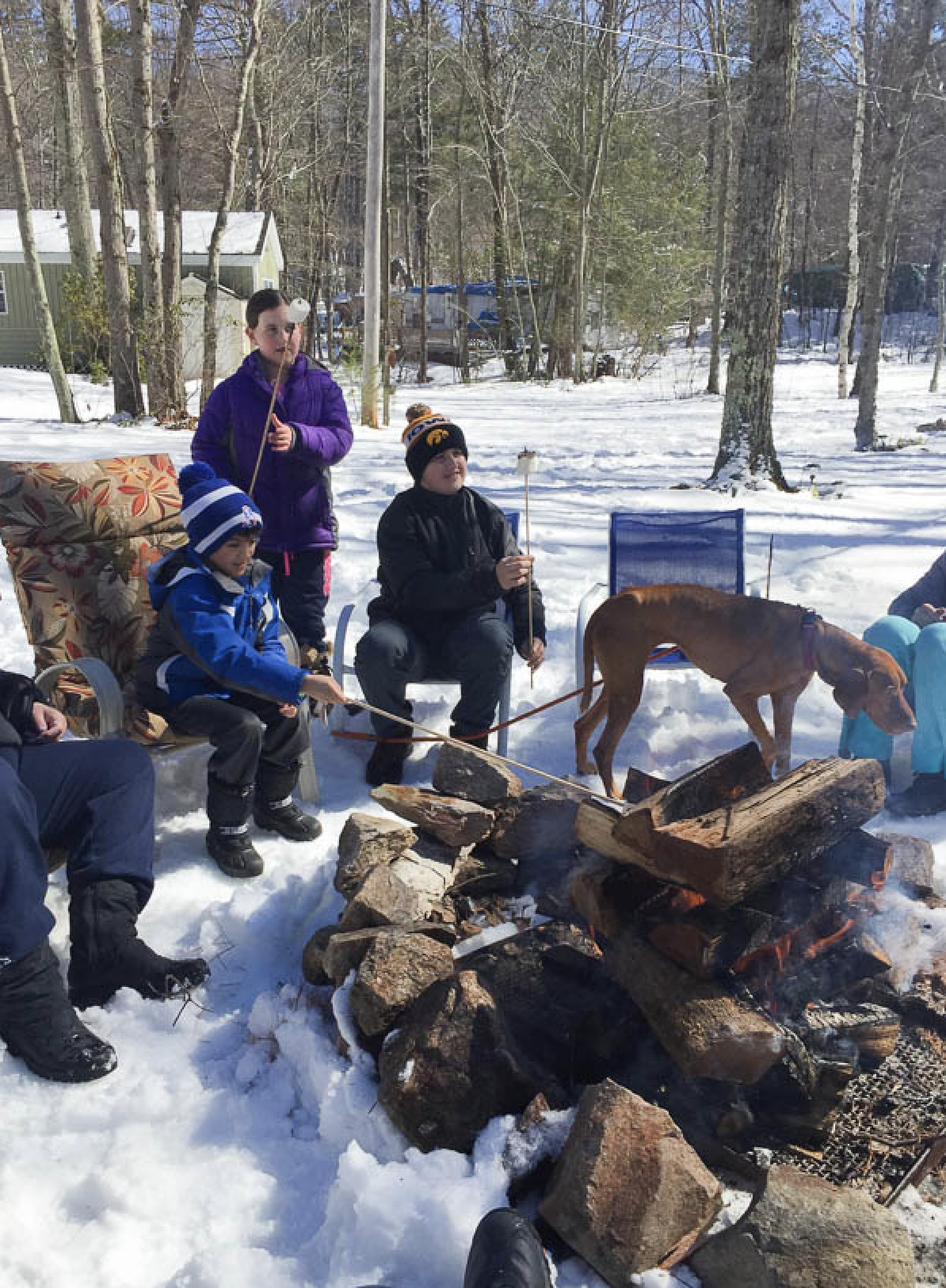
- S'mores at the fire are the easiest crowd-pleaser at a winter party — zero prep, interactive, and they keep guests clustered around your heat source naturally.
Fixing the Most Common Winter Party Problems
Even carefully planned outdoor winter events run into problems. The difference between a host who panics and one who handles it smoothly is having solutions ready before the issue arrives. Here are the three problems you're most likely to face — and exactly how to address each one.
Problem: Wind Is Killing Your Fire and Chilling Your Guests
Wind is your most dangerous variable at a winter outdoor party. It can drop a 35°F evening to a feels-like 15°F in under an hour, and it doesn't announce itself in the morning forecast with precision.
- Reposition your seating arrangement so guests have their backs to the prevailing wind and faces toward the fire
- Switch from an open fire pit to a chiminea when it's gusty — the enclosed chamber maintains flame far better in wind; keep your unit performing with this chiminea care and maintenance guide
- Deploy portable privacy screens or temporary fencing panels on the upwind side of your party zone — even a single 6-foot panel makes a measurable difference
- If sustained gusts exceed 20 mph during the party, move inside without delay — that threshold is a genuine comfort and safety line, not a preference
Problem: Guests Are Complaining They're Too Cold
Address this proactively, not reactively. By the time someone says they're cold out loud, they've been uncomfortable for a while. Build your comfort kit before guests arrive:
- Keep a basket of fleece throws near your main seating area. They're inexpensive, guests actually use them, and they communicate that you've thought about their comfort.
- Stock a bowl of single-use hand warmers near the fire — this is consistently one of the most appreciated gestures at a winter outdoor event.
- Set up a secondary warm activity indoors — a projector showing a film, a board game station, or simply a bar counter — so guests who get cold have a natural place to warm up without feeling like they've ended the party for everyone else.
- Set expectations in your invitation. "Dress warm" is too vague. Say something direct: "Expect 28°F — dress for a ski slope, not a restaurant." Guests who show up prepared stay longer.
Problem: Snow and Ice on Your Patio Surface
A slippery patio is both a liability issue and a comfort issue. Ice and snow need to be addressed before guests arrive — not after the first person slips.
- Clear your patio surface the morning of the party — don't wait until the hour before guests arrive
- Use a pet-safe ice melt product on stone, flagstone, or concrete — standard rock salt damages patio surfaces and is hazardous to animals
- Lay rubber-backed outdoor mats on every walkway between the house and the party area, including any steps
- If you deal with recurring heavy snowfall before outdoor events, think through your equipment options — this breakdown of 2-stage vs 3-stage snow blowers will help you decide what's worth having on hand
- Check your sunken fire pit for accumulated snow or ice before you attempt to light it — frozen water inside the basin is difficult to clear once the fire is started and can crack the pit structure in extreme cases
Key Takeaways
- Solid outdoor winter party tips start with a clear read of conditions — temperature, wind, and precipitation determine whether you're hosting outside or executing your backup plan.
- Layer your heat sources (a chiminea or fire pit paired with at least one propane tower heater) to create multiple warmth zones and prevent everyone from crowding a single spot.
- Shelter, layered lighting, and hot food and drinks are the three pillars of a comfortable cold-weather gathering — all three need to be in place before the first guest arrives.
- Prepare for the most common problems before they happen: have blankets and hand warmers ready, clear ice early, and always set up a warm indoor fallback space so you can pivot smoothly without killing the atmosphere.


About William Murphy
William Murphy has worked as a licensed general contractor in Fremont, California for over thirty years, specializing in outdoor structures, green building methods, and sustainable design. During that career he has written about architecture, construction practices, and environmental protection for regional publications and trade outlets, bringing technical depth to subjects that most home improvement writers approach only from a consumer perspective. At TheBackyardGnome, he covers outdoor product reviews, backyard construction guides, and sustainable landscaping and building practices.
You can Get FREE Gifts. Receive Free Backyard Items here. Disable Ad Blocker to get them all now!
Once done, hit anything below