If you're looking for gazebo pictures for backyard inspiration, you're already ahead of most homeowners who skip the browsing phase and dive straight into buying. This collection gathers real photos spanning classic white garden pavilions, rustic wooden structures, night-lit retreats, waterfront gazebos, and lush canopy builds. Flipping through real images is the fastest way to zero in on a style that actually fits your space before you spend a dollar. For a deeper planning overview, visit our gazebo design guides.
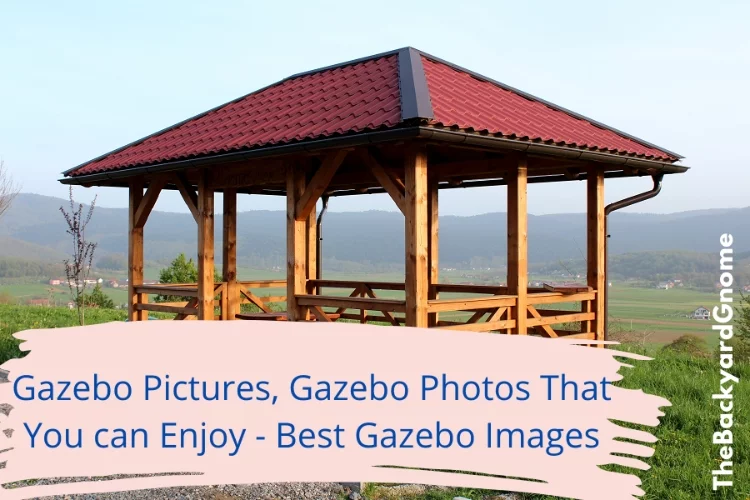
According to Wikipedia, a gazebo is a freestanding, open-sided, roofed structure used for relaxation and outdoor entertaining. That definition covers everything from a $200 canvas canopy to a $20,000 hardtop pavilion with built-in electrical and a full outdoor kitchen underneath. The photos here span that entire range, so you can see what each tier actually looks like in a real yard — not just in a manufacturer's brochure.
What you'll notice quickly is how much the surrounding landscape shapes the feel of a gazebo. A modest cedar frame wrapped in climbing roses reads like a secret garden hideaway. The same frame dropped onto bare grass looks unfinished. Keep your existing yard features in mind as you browse — the plantings, furniture, and lighting around a gazebo matter just as much as the structure itself.
Contents
- How to Read a Gazebo Photo Like a Pro
- Gazebo Pictures for Backyard Inspiration: Real Settings
- Gazebo Styles for Different Yard Types
- Starter Gazebos vs. Full Outdoor Living Rooms
- Keeping Your Gazebo Looking Like the Photos
- Planning a Gazebo You'll Still Love for Years
- Frequently Asked Questions
- Final Thoughts
How to Read a Gazebo Photo Like a Pro
Most people look at a beautiful gazebo photo and think "I want that" — without noticing the details that determine whether the design will actually work for them. Learning to read a photo critically saves a lot of frustration when your budget meets reality.
Identifying Frame Materials
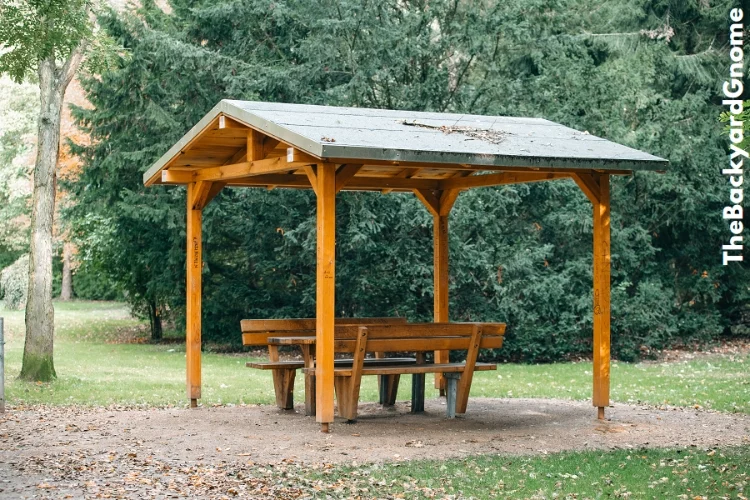
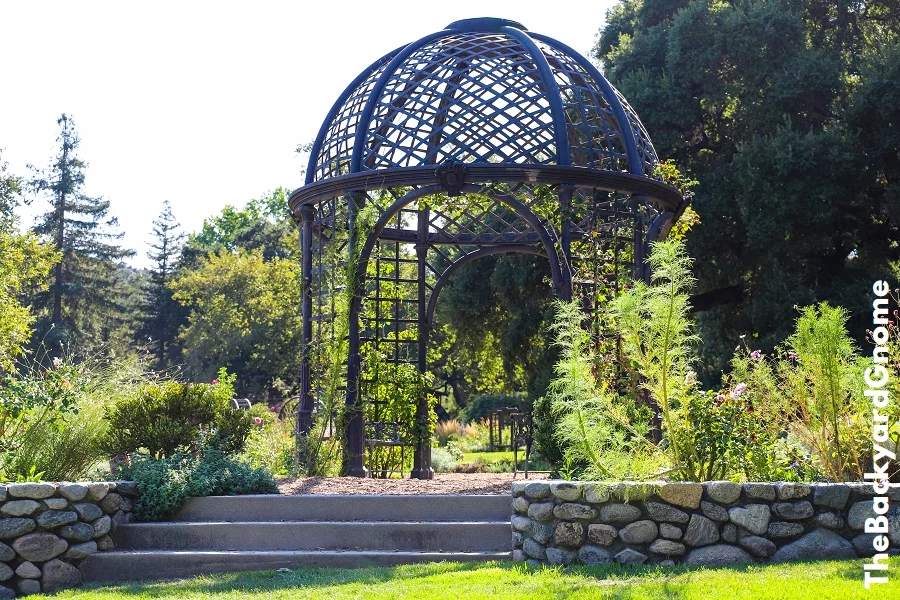
The two most common materials you'll see are wood and aluminum. Wood gazebos — usually cedar, redwood, or pressure-treated pine — have a warm, natural look that photographs beautifully. They also need regular staining or sealing to stay that way. Aluminum and steel frames appear in sleek modern builds and rust-resistant hardtops. If a gazebo in a photo looks unusually clean and sharp after several years of use, it's most likely metal or composite.
- Cedar or redwood: warm tones, visible grain, naturally rot-resistant but needs sealing
- Pressure-treated pine: lighter color, more knots, budget-friendly option
- Powder-coated aluminum: uniform color, crisp lines, lowest maintenance
- Wrought iron: ornate, heavy, typically painted black or bronze
If you want to compare builds side by side before committing, our guide to gazebo shapes and sizes walks through how dimensions and frame types interact across the most popular configurations.
Spotting the Roof Style
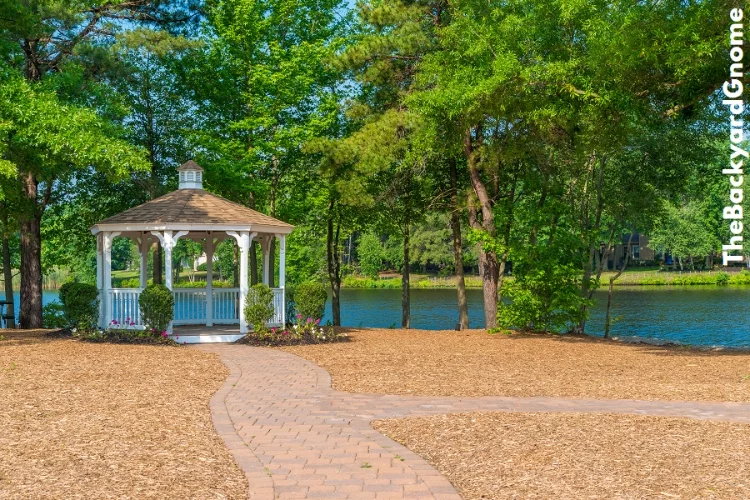
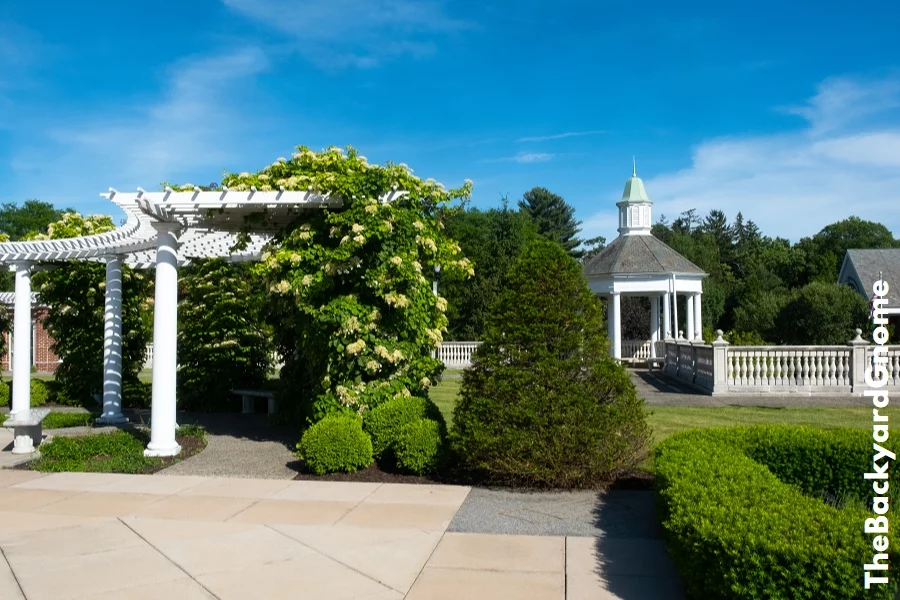
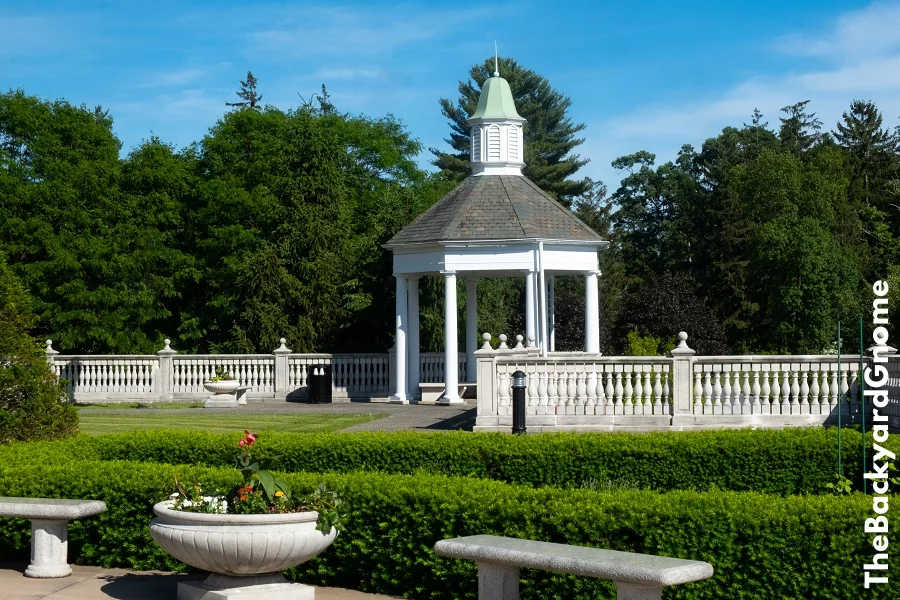
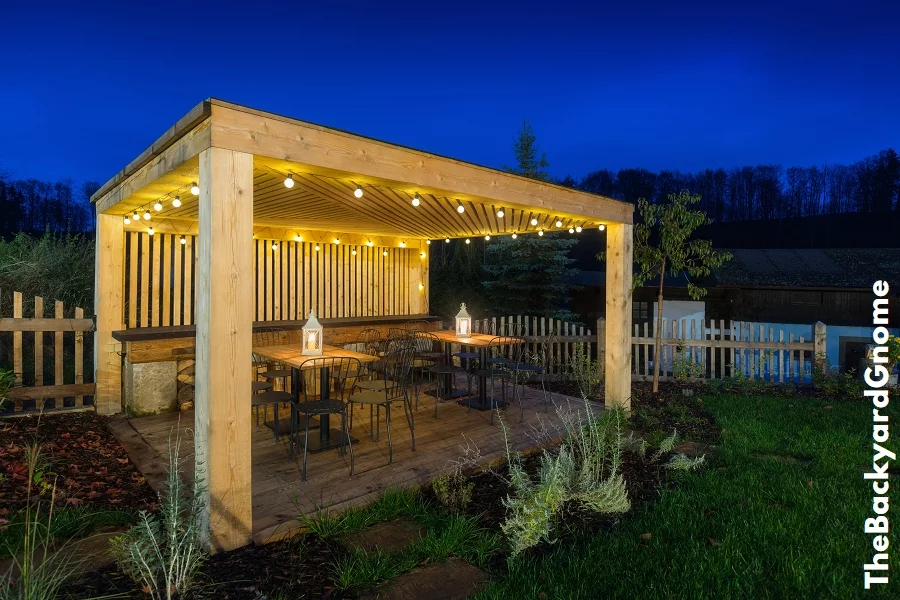
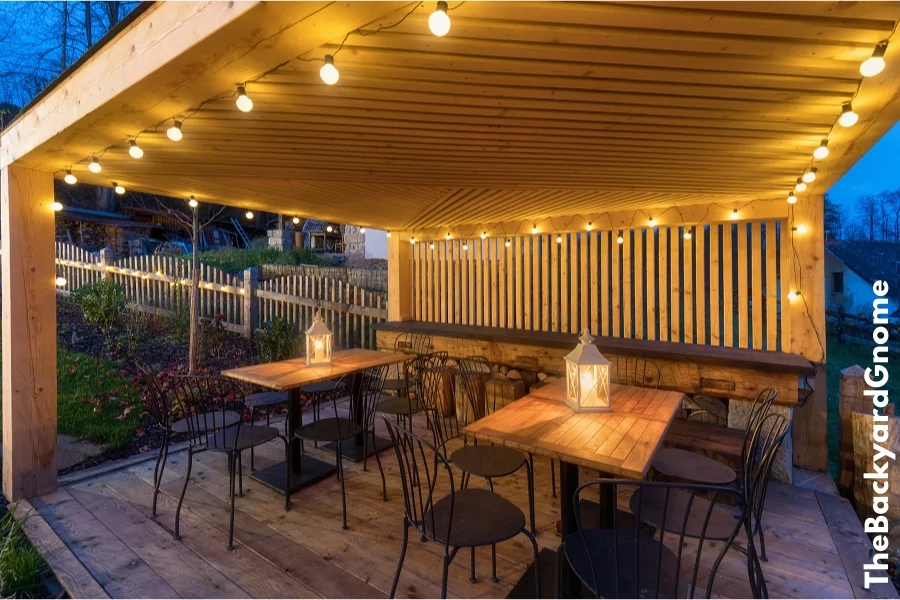
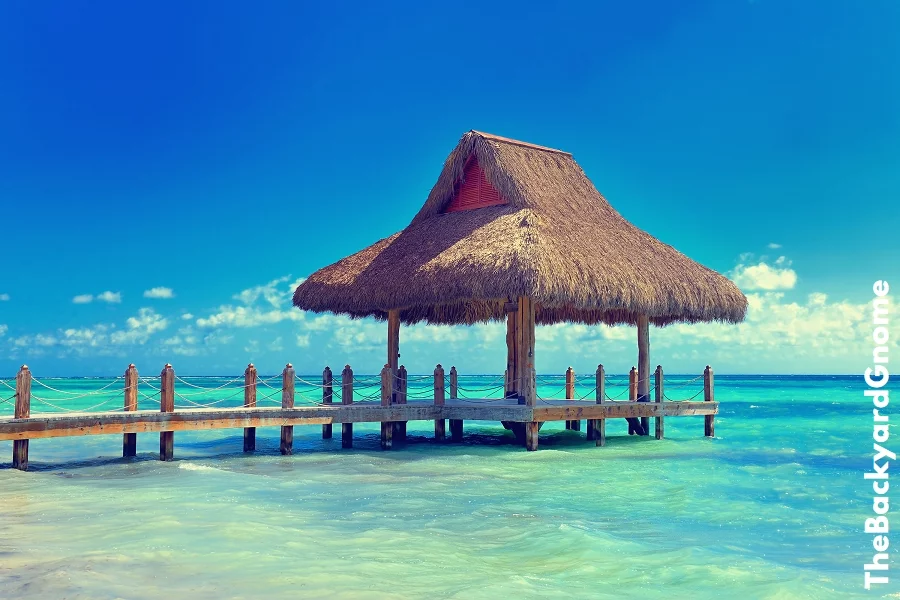
The roof is the signature feature in almost every gazebo photo. Hip roofs — sloped on all sides — are the most traditional and appear on most octagonal or hexagonal structures. Flat or low-slope roofs show up on contemporary metal frames. Thatched roofs use palm fronds or synthetic thatch and create an entirely different atmosphere, as you'll see in the tropical-themed images further down.
- Hip roof: classic look, sheds rain well, works in any climate
- Flat or low-slope: modern aesthetic, requires careful drainage design
- Thatched: tropical or rustic feel, needs a dry climate or synthetic materials
- Polycarbonate panels: lets in natural light, common on contemporary kits
Gazebo Pictures for Backyard Inspiration: Real Settings
There's a big gap between staged catalog photos and what real backyards look like. The images in this section come from actual yards, gardens, parks, and waterfront settings — a better benchmark for what's achievable at home. These are the kinds of gazebo pictures for backyard inspiration you want to pin before you start planning.
Garden and Landscape Settings
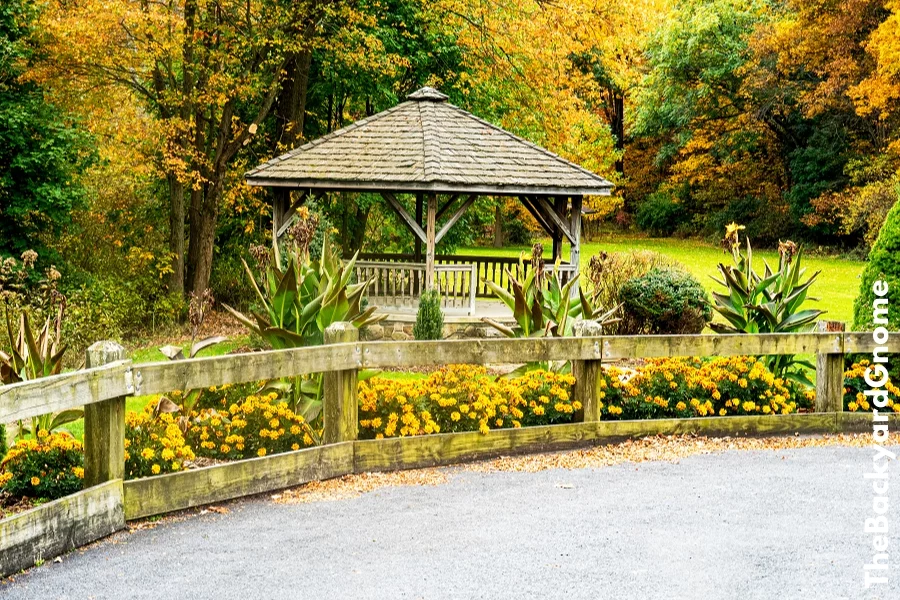
A gazebo placed at the edge of a planted garden does something a standalone structure can't: it creates a destination. Your eye follows a path through the flower beds and lands on the covered seating at the end. That visual pull is a core design principle in both classic English gardens and modern landscape architecture.
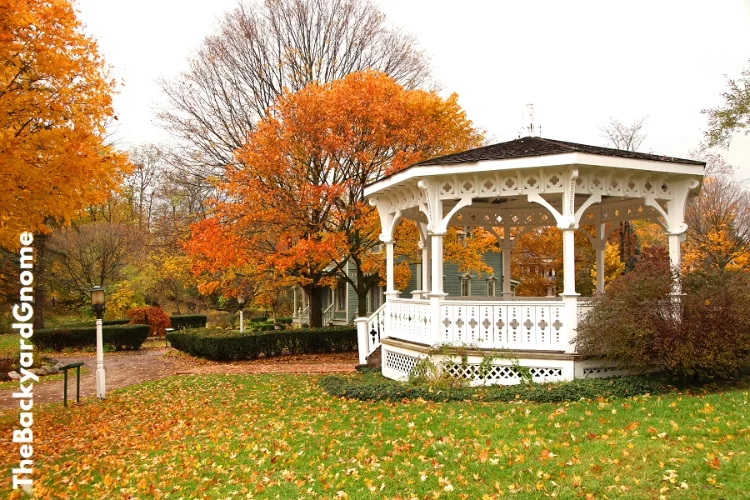
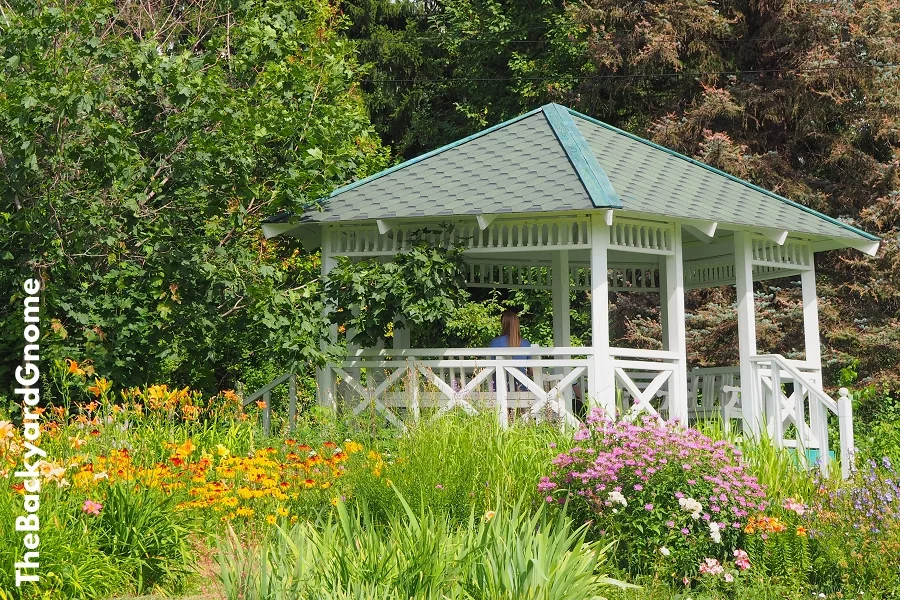
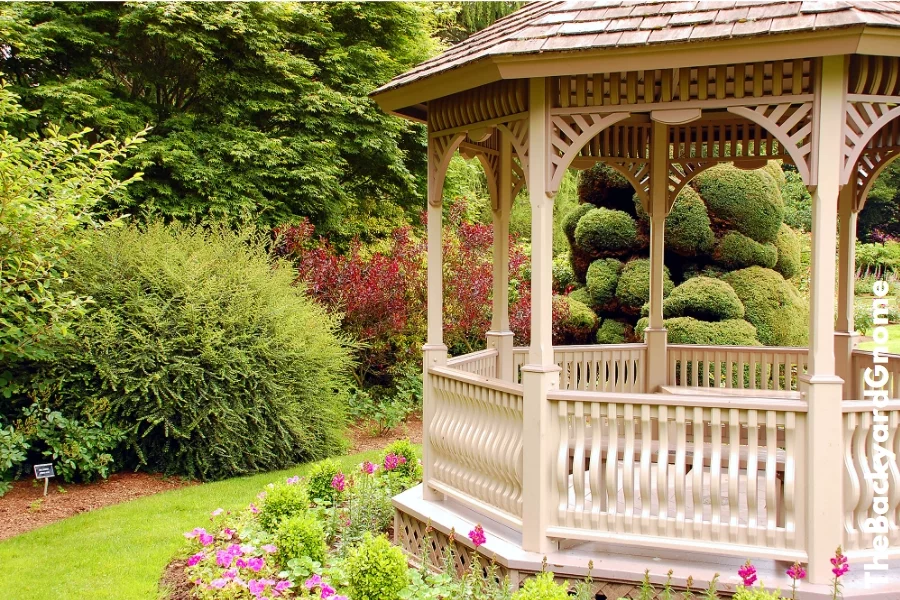
Notice how white-painted structures pop against green backgrounds in these photos. That contrast is intentional. If your yard already has a lot of green — grass, shrubs, mature trees — a white or light-painted gazebo gives the eye a clear focal point. A dark-stained wood structure, on the other hand, blends in and creates a more enclosed, cozy atmosphere.
Pro tip: Before committing to a color, hold a painted board or fabric swatch against your existing fencing and landscaping on a sunny afternoon — indoor lighting will lie to you about how colors read outdoors.
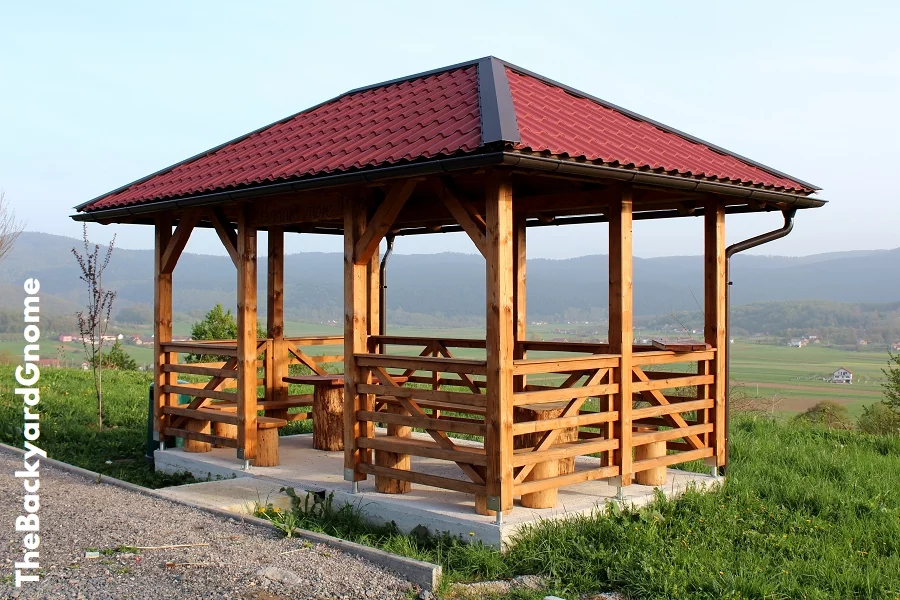
Deck and Patio-Integrated Gazebos
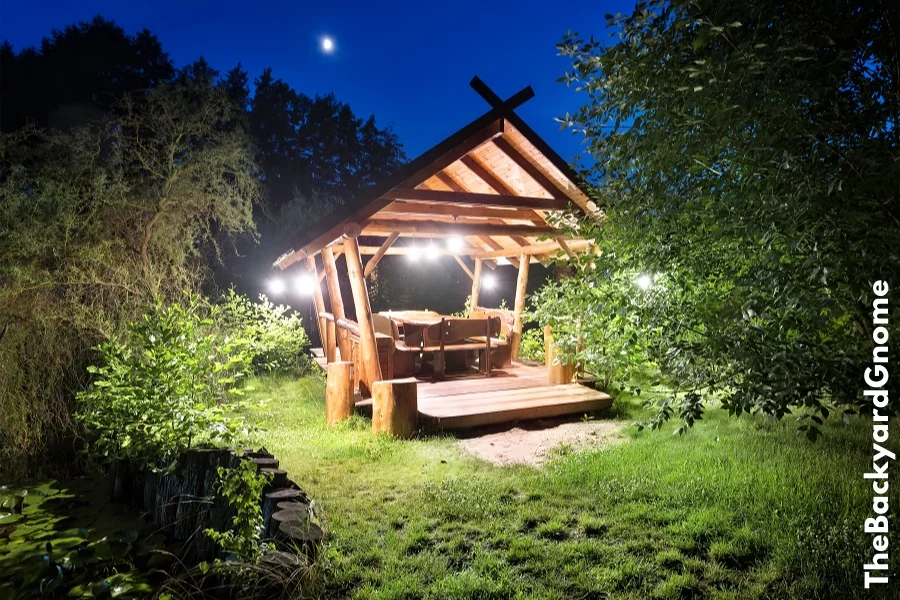
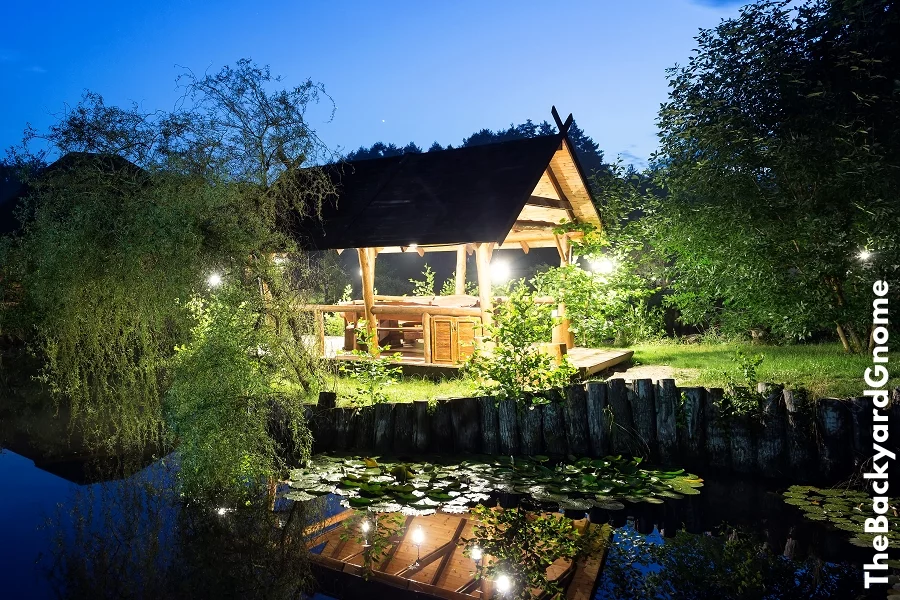
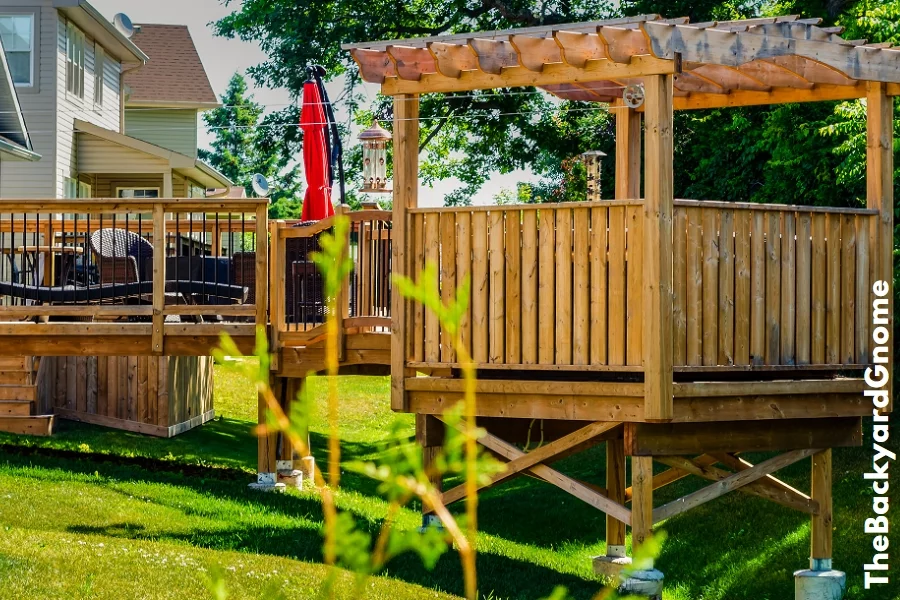
Some of the most practical gazebos aren't freestanding at all — they're built directly onto an existing deck or patio. These photos show how a raised deck with a gazebo overhead creates a true outdoor room. The structure defines the space without needing walls. If you already have a patio that feels exposed, a gazebo kit placed directly on existing pavers can fix that without major construction work.

Gazebo Styles for Different Yard Types
Not every gazebo style works in every yard. A grand Victorian octagon needs room to breathe. A compact rectangular canopy can slip into a tight corner and still be fully functional. Matching the structure to your actual conditions — lot size, terrain, sun exposure — matters more than picking the prettiest picture.
Small Yard Options
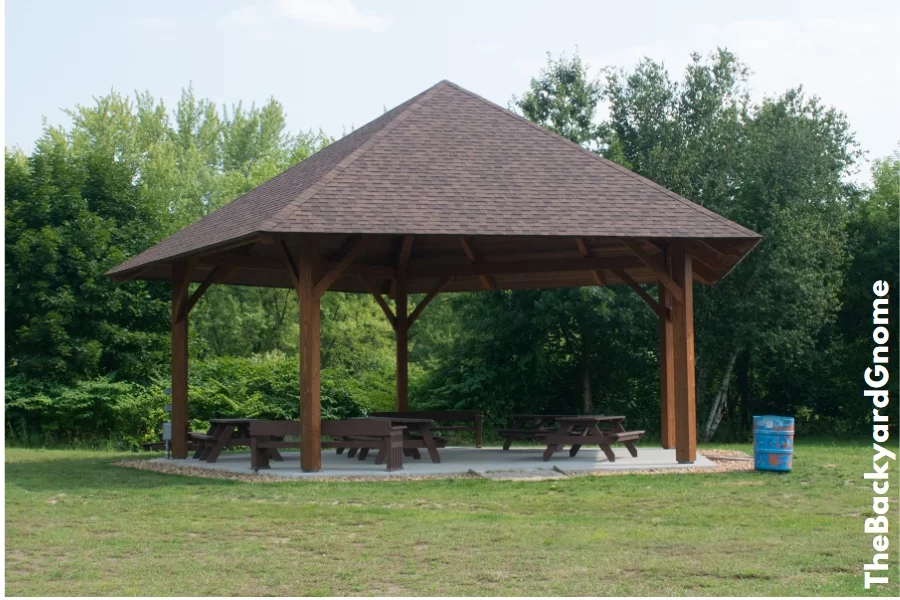
For yards under 1,500 square feet, your best options in the photos are the rectangular and square kits. These fit flush against fences and don't require clearance on all four sides. Look for gazebos with side curtains or privacy screens — in tight spaces, that added enclosure makes the structure feel intentional rather than crammed in.
A practical rule of thumb: your gazebo footprint shouldn't cover more than 20–25% of your total usable yard space. That keeps sightlines open and leaves room for patio furniture arrangement around the perimeter of the structure.
Large Properties and Waterfront Lots
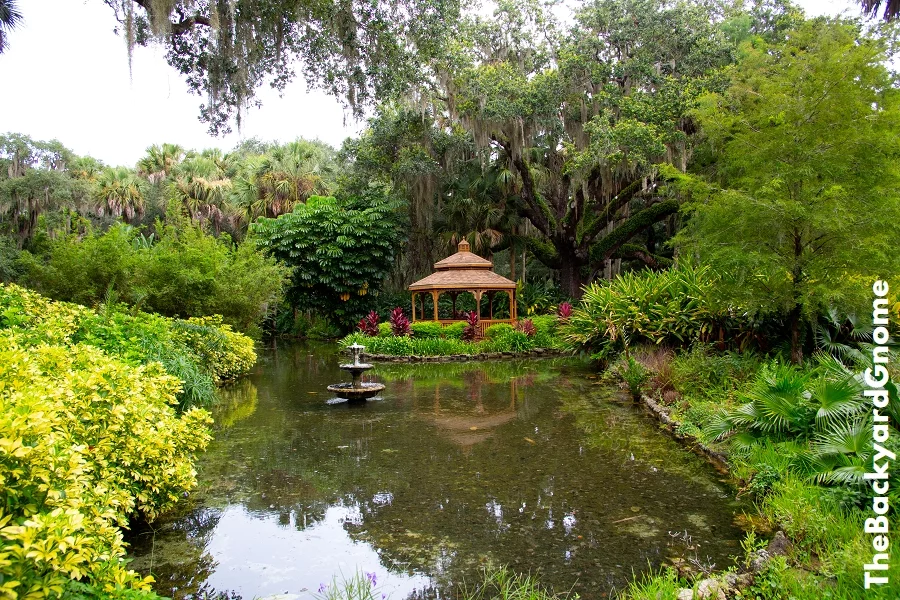
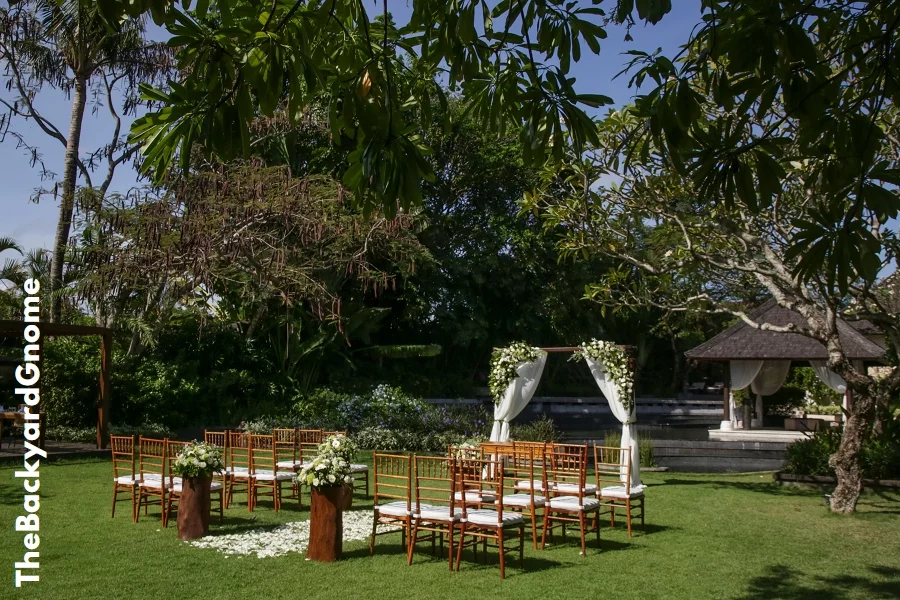
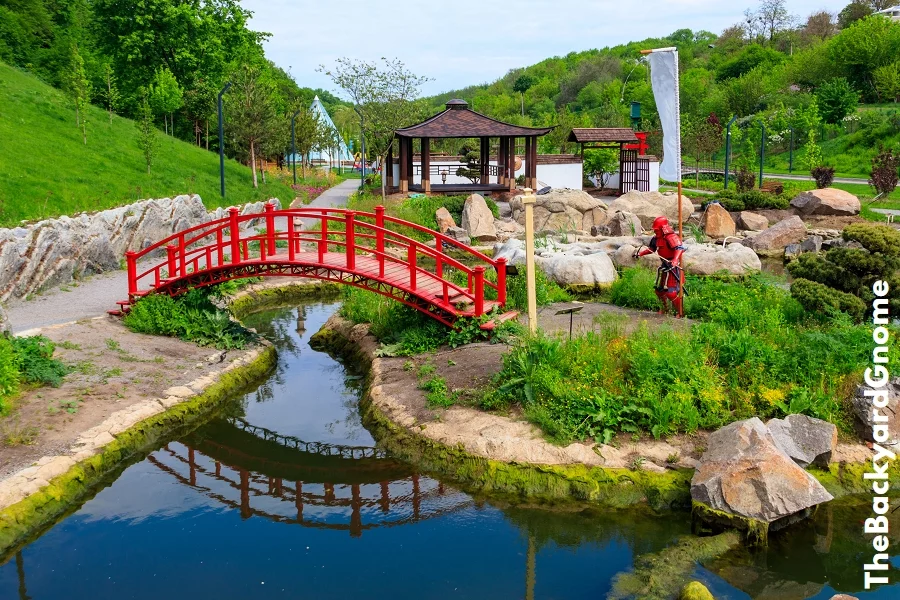
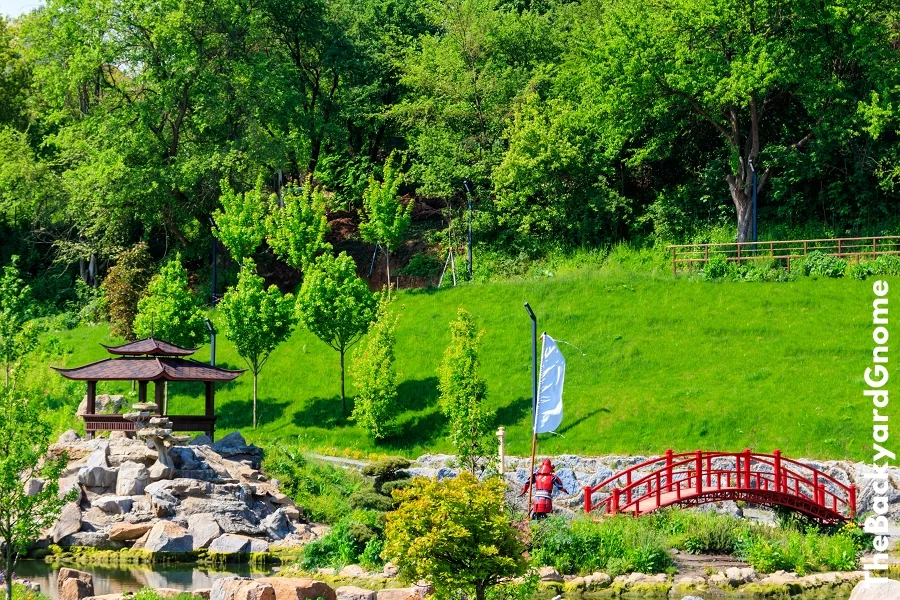
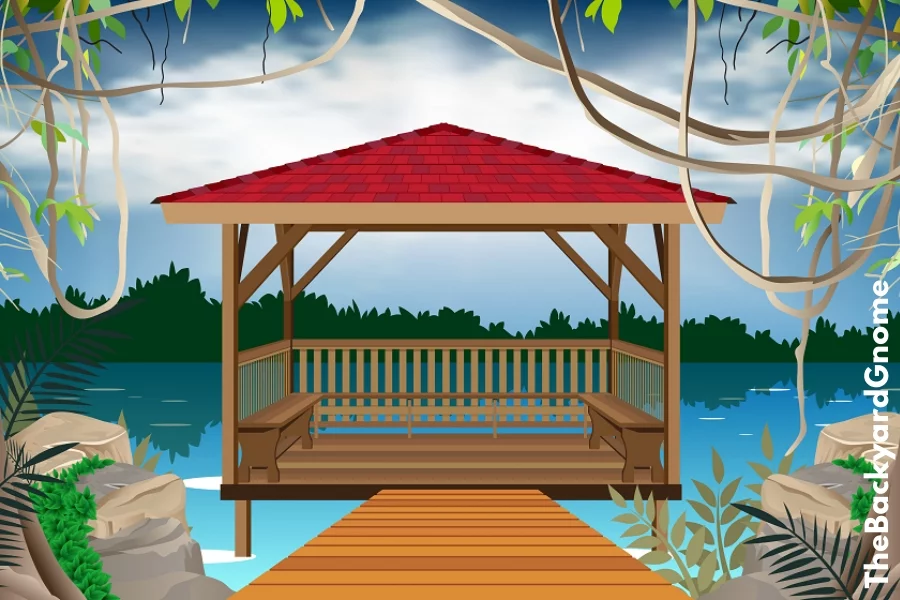
When you have the space, the photos show what becomes possible: gazebos anchoring a pond view, Japanese-garden bridges leading to a covered pavilion, or open beachside structures framing a water horizon. In these settings, the gazebo's placement does more work than its design. You want to position it where it draws the eye from the house and rewards the walk to reach it.

Starter Gazebos vs. Full Outdoor Living Rooms
The photos in this collection cover an enormous price and complexity range. A starter gazebo — a canvas or polycarbonate-roofed kit you assemble in a weekend — and a permanent outdoor living room have almost nothing in common beyond the general shape. Here's a side-by-side look at the two ends of that spectrum:
| Feature | Starter Gazebo | Full Outdoor Room |
|---|---|---|
| Typical cost | $150 – $900 | $3,000 – $20,000+ |
| Assembly time | 2–6 hours (DIY) | 1–3 days (professional) |
| Foundation needed | Grass or existing pavers | Poured concrete or deck |
| Roof material | Canvas, polyester, polycarbonate | Steel, aluminum, or shingles |
| Electrical / lighting | String lights via extension cord | Hardwired fixtures and ceiling fan |
| Expected lifespan | 3–7 years with care | 20+ years |
| Permit required | Rarely | Usually yes |
Entry-Level Builds
If you're seeing canvas or soft-top gazebos in photos and wondering whether they're worth it — the honest answer is "it depends." They work well as seasonal shade solutions and for renters who can't build permanently. The Kozyard Rosana hardtop aluminum gazebo is a good middle-ground example: it's a kit build, but the hardtop roof and powder-coated aluminum frame put it solidly above the canvas canopy tier without requiring professional installation.
Upgraded Outdoor Rooms
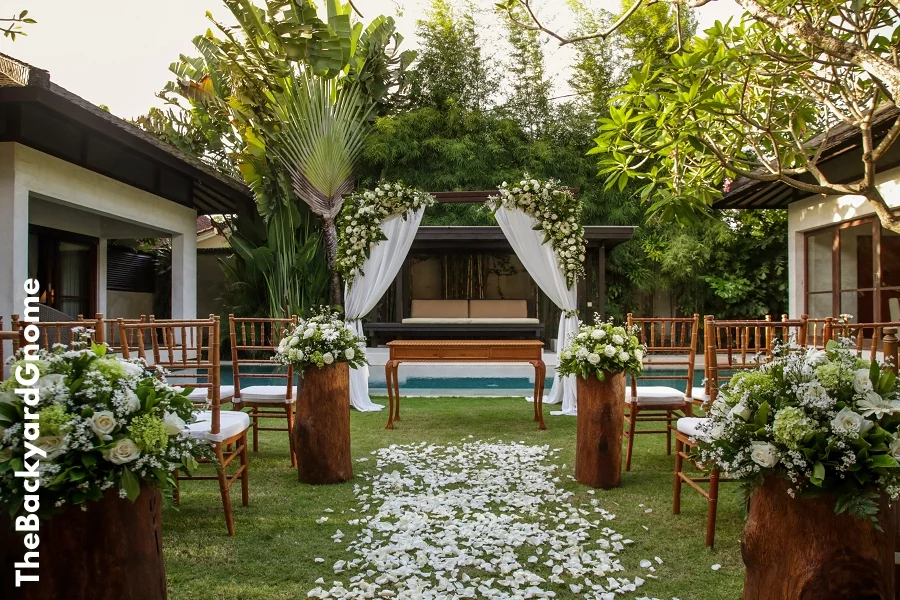
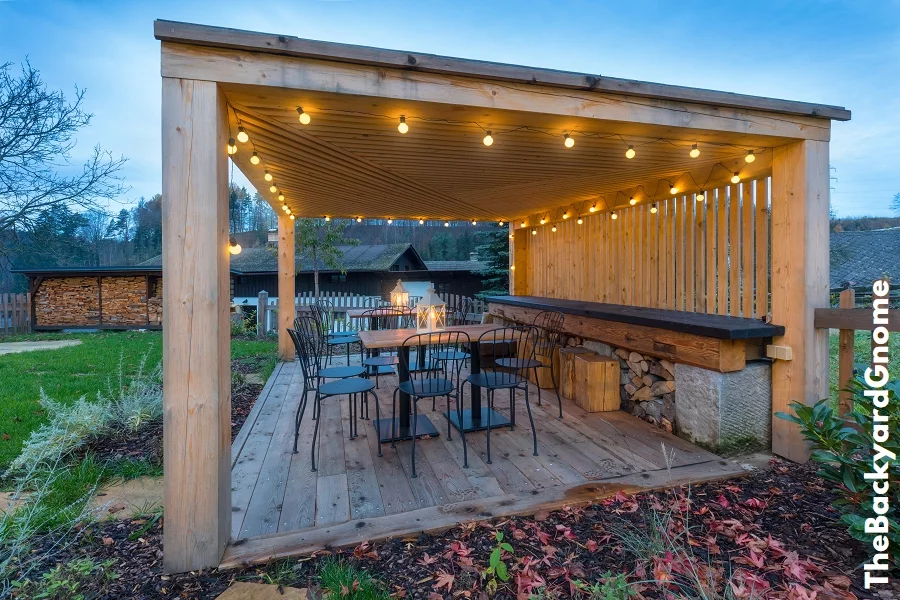
The high-end photos — the ones with open-beam ceilings, full outdoor sofas, pendant lighting, and built-in counters — are built, not bought as kits. They typically involve a contractor, a permit, and a concrete foundation. If that's your goal, the photos in this collection are most useful for showing you what to bring to a contractor conversation. You don't need to describe the style you want in technical terms. Just point to the picture.
Keeping Your Gazebo Looking Like the Photos
Every photo in this gallery shows a gazebo at its best — shot on a sunny day, clean structure, trimmed plants, freshly arranged furniture. Keeping your gazebo looking that way takes a small but consistent maintenance routine. Skip it for a season or two, and you'll start seeing the difference fast.
Routine Upkeep
For wood gazebos, the two non-negotiables are cleaning and sealing. Sweep the roof and beams twice a year to remove debris that traps moisture against the wood. Re-apply exterior sealant or stain every one to two years depending on your climate and sun exposure. For metal frames, check the powder coat for scratches — bare metal in humid climates rusts faster than most people expect.
- Clear roof edges and gutters of leaves and debris each spring and fall
- Wipe down metal hardware — bolts, hinges, corner brackets — and treat with rust-inhibiting spray annually
- Clean canvas covers with mild soap and water; let them dry completely before folding for storage
- Inspect post footings each spring for moisture pooling or ground movement
Heads up: If your gazebo sits on a concrete pad, check for water pooling at the post bases after heavy rain — standing water at the footings is the leading cause of premature rot in wood posts.
Seasonal Preparation
Winter prep is where most gazebo owners either protect their investment or lose it. Soft-top canopies should come down when snowfall is expected — a canvas roof was not designed to hold snow load. For hardtop structures, clear snow promptly to prevent cumulative weight damage to the rafters. If you're in a zone with harsh winters, the guide on how to winterize a gazebo covers every step in detail.
Planning a Gazebo You'll Still Love for Years
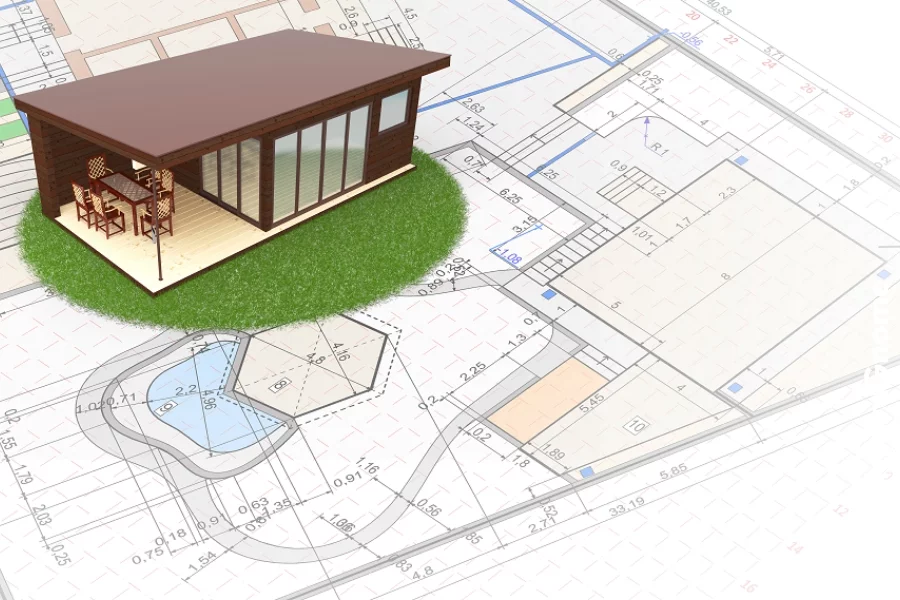
The photos that age the best — the ones that still look intentional and polished years after they were taken — all share one trait: they were planned as part of the yard, not dropped into it. Good long-term gazebo planning starts before you buy a single component.
Choosing the Right Location
Walk your yard at different times of day before you commit to a site. Morning sun in a breakfast gazebo feels welcoming. Late afternoon sun glaring directly into your face is miserable. Trees that provide shade in summer may drop leaves, sap, or seeds onto your roof for months. The best placements you'll see in the photos tend to share a few traits:
- At the far end of the yard — creates a destination worth walking to
- Near a water feature — the sound and reflection add atmosphere at no extra cost
- Against a fence, hedge, or wall — reduces exposed sides and buffers wind
- On slightly elevated ground — improves drainage away from post bases and opens sightlines

Picking Materials for the Long Run
Material choice predicts the maintenance burden more than any other single factor. Cedar and redwood are naturally rot-resistant but still need periodic sealing. Composite lumber (wood fiber mixed with plastic) mimics the look of real wood without the annual upkeep. Powder-coated aluminum handles humidity particularly well, which is why you see it in so many long-lasting modern kit builds.
If you're torn between a fully enclosed gazebo and a more open structure, it's worth reading about what a pergola is and what it's used for before making a final call. The two structures serve different purposes and suit different yard conditions — knowing the difference saves you from buying the wrong thing.


Frequently Asked Questions
What type of gazebo looks best in a small backyard?
Rectangular or square gazebos with straight sides work best in small yards because they fit flush against fences and don't waste corner space. Octagonal or hexagonal designs need clearance on all sides and can feel oversized when the yard is compact. Stick with a footprint that covers no more than 20–25% of your usable outdoor space.
What's the difference between a gazebo and a pergola?
A gazebo has a solid roof that provides complete overhead coverage, giving you shade and rain protection. A pergola has an open-beam or lattice roof that lets in light and air but won't keep you dry. Gazebos are better for year-round use in variable climates; pergolas work well where the main goal is partial shade and a sense of structure.
How long does a wood gazebo typically last?
A well-maintained wood gazebo — built from cedar or redwood and sealed every one to two years — can last 15 to 25 years. Pressure-treated pine builds last a similar span but require more frequent sealing. Neglecting the finish accelerates rot at the post bases and roof joints, which is where most wood gazebos fail first.
Can you leave a canvas gazebo outdoors year-round?
In mild climates without heavy snow or wind, some canvas gazebos hold up year-round with regular maintenance. In most of the country, it's best to remove and store the canopy when temperatures drop or storms are expected. Snow load is the main hazard — a standard canvas roof is not rated to hold it and will collapse or tear under even moderate accumulation.
Do I need a permit to build a backyard gazebo?
It depends on your location, the structure's size, and whether it's permanent or temporary. Most jurisdictions require a permit for permanent structures over a certain square footage — commonly 120 to 200 square feet. Canvas pop-up gazebos are almost never regulated. Before purchasing materials or breaking ground, check with your local building department to confirm what applies to your specific property.
What color should I paint my backyard gazebo?
White and off-white are the most popular choices because they contrast sharply against green landscaping and photograph well in nearly any lighting. Dark stains — espresso, mahogany, or charcoal — blend the structure into the yard for a more intimate, enclosed feel. There's no objectively wrong answer, but testing a paint chip against your fence and plantings outdoors before committing will save you from a costly repaint.
Final Thoughts
You now have a full gallery of gazebo pictures for backyard inspiration along with a practical framework for turning those images into an actual build plan. The next step is to pick two or three photos that genuinely match your yard's size, style, and budget — then head over to our gazebo design guides to start mapping out the details. Don't overthink it: most homeowners who are happy with their gazebo simply started with a picture they loved and worked backward from there.


About William Murphy
William Murphy has worked as a licensed general contractor in Fremont, California for over thirty years, specializing in outdoor structures, green building methods, and sustainable design. During that career he has written about architecture, construction practices, and environmental protection for regional publications and trade outlets, bringing technical depth to subjects that most home improvement writers approach only from a consumer perspective. At TheBackyardGnome, he covers outdoor product reviews, backyard construction guides, and sustainable landscaping and building practices.
You can Get FREE Gifts. Receive Free Backyard Items here. Disable Ad Blocker to get them all now!
Once done, hit anything below